Amos Bronson Alcott Quotes
Right is the royal ruler alone; and he who rules with least restraint comes nearest to empire.
Alcott, Amos Bronson. Table-Talk. Roberts Brothers, 1877.


Province of the Congo. Both the British and the Belgians were vying for Katanga to become a part of their empire. Msri, a cruel tyrant, was hated by his people, many of whom he had had murdered.


The priest had come to the Empress to complain about the debauchery of her Prime Minister and made the error of describing him as the first man of the empire. The story may be apocryphal but it illustrates the character of the Empress. The source of the exact words are given in the historical novel, Luise Muhlbach, Joseph II. and His Court


Lippmann was the most influential pundit of the time. Roosevelt had just been elected but had not yet assumed office. The country was in the midst of the Great Depression and many communities had 80% unemployment. Banks had failed, people were starving, and many people thought that democracy was just not suited to deal with such severe problems. Roosevelt, however rejected the advice and always worked through the Congress and in so doing saved democracy in America.
_0_thumbnail_47x47.jpg)

Sir Walter was imprisoned in the Tower of London for 13 years, during which time he turned to historical pursuits.


Porfirio Diaz - the longtime dictator of Mexico stole the election of 1910 and had his opponent Francisco Madero arrested and imprisoned. Madero got out, crossed the border to San Antonio, and issued this declaration which started the Mexican Revolution. See {613620} for the statement that declared the Revolution.

Your ideas of democracy are The Zemstvos had come to plead for reforms from the young Czar who most Russians hoped would be more modern than his all-powerful and dictatorial father. In a sense, it was this quotation that drove many moderate Russians to the radical side, and the quotation was used as a recruiting toll by both the Communist and non-Communist anti-Czarist Russians.
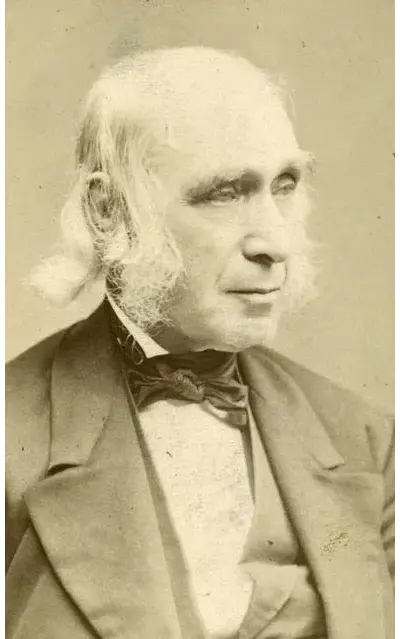
Amos Bronson Alcott was an American teacher, writer, philosopher, and reformer. As an educator, Alcott pioneered new ways of interacting with young students, focusing on a conversational style, and avoided traditional punishment. He hoped to perfect the human spirit and, to that end, advocated a plant-based diet. He was also an abolitionist and an advocate for women's rights.
