Roger Ebert Quotes
It's funny that there was so much disturbance about having a Catholic in the White House with Kennedy, and when we finally get a religion in the White House that's causing a lot of conflicts, and concerns, and disturbances for a lot of people, it's in the Bush Administration.
Ebert, Roger. Interview with Matthew Rothschild. The Progressive, vol. 68, no. 11, Nov. 2004.


The Muslim League was demanding that the Punjab become a part of Pakistan when independence was granted later. However, the Hindus, Sikhs, Buddhists, and Christians were all adamant that they would not live in a Muslim nation which would soon become a de facto theocracy if the British could not control them. The Punjab was divided between India and Pakistan, and hundreds of thousands died in Sikh-Muslim attacks and then Hindu-Muslim conflict in the Punjab.


Kennedy was a Roman Catholic and there was a great deal of anti-Catholic prejudice in the country then. Al Smith, the only Catholic who had run for the Presidency, was defeated with almost all his opposition coming from anti-Catholic forces appealing to the then popular prejudice that if a Catholic became President, the Pope and the Vatican would be running America. Richard Nixon, a master politician with few scruples, cleverly kept raising the religious question in the voters minds by saying that he would not make Kennedy’s religion and issue of the campaign. Kennedy barely won.


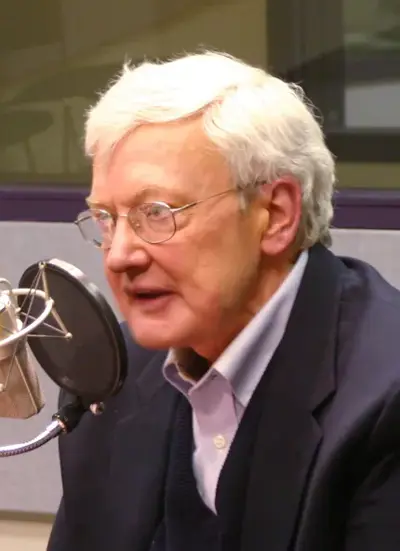
Roger Joseph Ebert was an American film critic, film historian, journalist, screenwriter, and author. He was a film critic for the Chicago Sun-Times from 1967 until his death in 2013. In 1975, Ebert became the first film critic to win the Pulitzer Prize for Criticism. Neil Steinberg of the Chicago Sun-Times said Ebert "was without question the nation's most prominent and influential film critic," Tom Van Riper of Forbes described him as "the most powerful pundit in America," and Kenneth Turan of the Los Angeles Times called him "the best-known film critic in America."
