Julius Evola Quotes
In a superior civilization, as, for example, that of the Indo-Aryans, the being who is without a characteristic form or caste... would emerge as a pariah. In this respect America is a society of pariahs. There is a role for pariahs. It is to be subjected to beings whose form and internal laws are precisely defined. Instead the modern pariahs seek to become dominant themselves and to exercise their dominion over all the world.
Julius Evola, 1898–1974, Italian Political, Historical, and Philosophical Author, Civilta Americana
Sourced by: Eigen's Political and Historical Quotations


The traditional Hindu social structure established castes – levels of society with Brahmins at the top and untouchables at the bottom. When India gained independence, the caste system was made illegal. Nonetheless, it is still followed by hundreds of millions of Indians. Religiously the Buddhists and the Hindus have had different philosophies. Ilaiah is a Buddhist who opposes the traditional Brahmin social structure and is a supporter of “Dalitization” – a change in the Indian culture to make the Dalits (untouchables) equal de juro and de facto.


Paz was the Ambassador to India. The caste system in India was outlawed by the Indian Constitution, and the government has made many effort at affirmative action to eliminate it put as Paz observed it is so ingrained in Indian tradition, culture and religion that it continues to persist.


Although Rand is one of the Conservatives' favorite writers and philosophers, only a minority would agree with her unfeeling and extreme form of a capitalistic society.


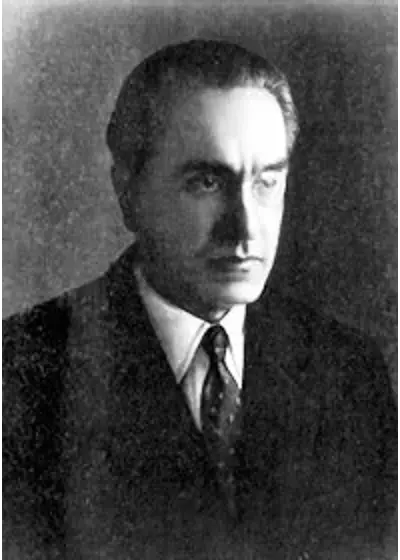
Giulio Cesare Andrea Evola, better known as Julius Evola (/ˈdʒuljəs ɛˈvoʊlə/), was an Italian philosopher, painter, and esotericist. Evola regarded his perspectives and spiritual values as aristocratic, masculine, traditionalist, heroic and defiantly reactionary.
