Orsamus Cole Quotes
If the constitution does not give the court means equal to the political emergency of such cases, it is hardly worth spending any breath upon.
Barstow the Democratic Governor who had no serious opposition in 1853 found himself challenged for reelection by Coles Bashford of the new Republican Party. The Board of Canvassers reported that Governor Barstow had won reelection but by less than 200 votes in the whole state. The Republicans charged that there had been fraud in some of the rural districts and petitioned the Wisconsin Supreme Court which ruled that nonexistent precincts had indeed voted for the Governor. The Barstow forces however refused to recognize the decisions of the court claiming that the court had no jurisdiction over the Board of Canvassers who were part of the executive branch. The Republicans held their own inauguration and two men claimed to be Governor. But the Governor claimed that the state constitution did not give the court any authority to deal with the crisis, He even called out the State Militia to maintain his office and intimidate the Supreme Court and keep the “other governor” from the state house. Nonetheless the court ruled that even the Governor had to obey the law and the Supreme Court would determine what the law was. Barstow finally “resigned.” See {587915} & {587914}.
Orsamus Cole, 1819-1903, U. S. Congressman (Republican, WI), Wisconsin Supreme Court Chief Justice, Opinion in the Gubernatorial Dispute of 1855
Sourced by: Eigen's Political and Historical Quotations

Barstow the Democratic Governor who had no serious opposition in 1853 found himself challenged for reelection by Coles Bashford of the new Republican Party. The Board of Canvassers reported that Governor Barstow had won reelection but by less than 200 votes in the whole state. The Republicans charged that there had been fraud in some of the rural districts and petitioned the Wisconsin Supreme Court which ruled that nonexistent precincts had indeed voted for the Governor. Barstow however refused to recognize the decisions of the court claiming that the court had no jurisdiction over the Board of Canvassers who were part of the executive branch. The Republicans held their own inauguration and two men claimed to be Governor. But the Governor claimed that the state constitution did not give the court any authority to deal with the crisis, He even called out the State Militia to maintain his office and intimidate the Supreme Court and keep the “other governor” from the state house. Nonetheless the court ruled that even the Governor had to obey the law and the Supreme Court would determine what the law was. Barstow finally “resigned.” See {587915} & {587917}.
Barstow the Democratic Governor who had no serious opposition in 1853 found himself challenged for reelection by Coles Bashford of the new Republican Party. The Board of Canvassers reported that Governor Barstow had won reelection but by less than 200 votes in the whole state. The Republicans charged that there had been fraud in some of the rural districts and petitioned the Wisconsin Supreme Court which ruled that nonexistent precincts had indeed voted for the Governor. The Barstow however refused to recognize the decisions of the court claiming that the court had no jurisdiction over the Board of Canvassers who were part of the executive branch. The Republicans held their own inauguration and two men claimed to be Governor. But the Governor claimed that the state constitution did not give the court any authority to deal with the crisis, He even called out the State Militia to maintain his office and intimidate the Supreme Court and keep the “other governor” from the state house. Nonetheless the court ruled that even the Governor had to obey the law and the Supreme Court would determine what the law was. Barstow finally “resigned.” See {587917} & {587914}.


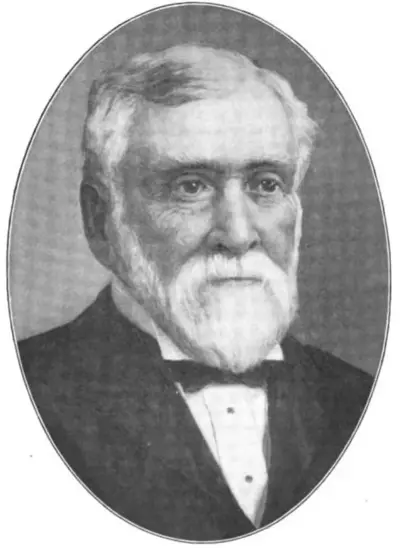
Orsamus R. Cole was an American lawyer and judge. He served as the 6th Chief Justice of the Wisconsin Supreme Court, and, until 2013, was the longest-serving justice in the Court's history, with nearly 37 years on the high court. He also represented Wisconsin's 2nd congressional district in the U.S. House of Representatives for the 31st Congress (1849–1850). His name is frequently misspelled as Orasmus.
