George Carlin Quotes
I think the warning labels on alcoholic beverages are too bland. They should be more vivid. Here are a few I would suggest: "Alcohol will turn you into the same asshole your father was."; "Drinking will significantly improve your chances of murdering a loved one."; "If you drink long enough, at some point you will vomit up the lining of your stomach."; "Use this product and you may wake up in Morocco wearing a cowboy suit and tongue-kissing a transmission salesman."
Carlin, George. Napalm & Silly Putty. Hyperion, 2001.


When Washington was younger and running for the colonial Virginia assembly, he bought beer and rum for all the voters in his precinct. He did not then realize the damage that alcohol can do. One of the commonalities between Lincoln and Washington were their experience in seeing alcohol cause the death and/or ruination of many. See {630832}.


She was a baroness—a member of the aristocracy who was a social reformer


Rush felt that the American public needed to be made aware of the health hazards inherent in alcohol consumption.


There was no Federal regulation of food and drink then. Fast buck whisky purveyors would include all kinds of ingredients and processes, safe and sanitary or not. Many Americans died or became very sick from eating tainted food then. Even bad whisky had killed many. TR chose whisky as his example, because Congress was filled with heavy drinkers and whisky was then the favorite Congressional drink. Roosevelt, with these tactics got the first federal food regulatory laws passed over enourmous opposition, not unlike the fight over Obamacare which would take place a century later.

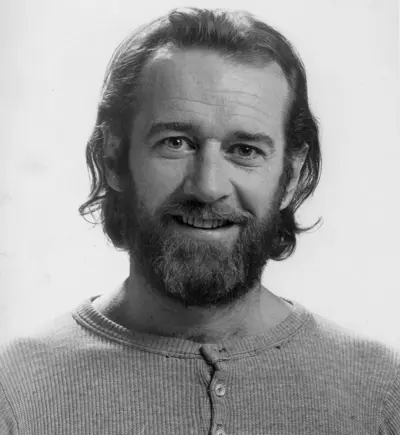
George Denis Patrick Carlin was an American stand-up comedian, actor, social critic, and author. Regarded as one of the most important and influential stand-up comics of all time, he was dubbed "the dean of counterculture comedians". He was known for his dark comedy and reflections on politics, the English language, psychology, religion, and taboo subjects. His "seven dirty words" routine was central to the 1978 United States Supreme Court case F.C.C. v. Pacifica Foundation, in which a 5–4 decision affirmed the government's power to censor indecent material on the public airwaves.
