Frank B. Kellogg Quotes
I know of no more important subject to the peace of Europe and the world than the reasonable reduction of armaments, especially in Europe, and of naval armaments throughout the world.
Kellogg, Frank B. "The Renunciation of War." Nobel Lecture, 11 Dec. 1930, Norwegian Nobel Institute, Oslo. Nobel Lectures, Peace 1926-1950, edited by Frederick W. Haberman, Elsevier Publishing Company, 1972.


Hobson, like Mark Twain in America, was a major critic of imperialism.


After the First World War, the United States and other countries were very conscious of the possibility of foreign arms sales encouraging and facilitating war and aggression. Therefore, arms shipments were very limited. The exception allowed tyrannical governments often to suppress, and often kill, their own citizens. By the end of the 20th century, the United States would sell arms to almost anyone and was the largest arms supplier in the world. Much of the flip flop of position on arms exports was caused by the fact that other nations were shipping arms and getting the jobs and profits associated with those exports and almost anyone in the world with money could buy arms. So the United States allowed its arms manufacturers to compete in this lucrative business to all but a few arms embargoed nations with whom we were having international difficulty.
The speaker was specifically referring to the situation in Manipur India where there were several warring factions fighting for control.


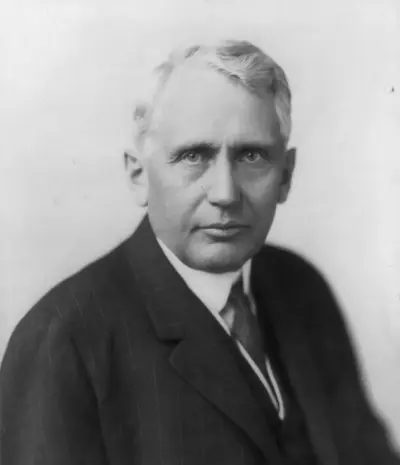
Frank Billings Kellogg was an American lawyer, politician, and statesman who served in the U.S. Senate and as U.S. Secretary of State. He co-authored the Kellogg–Briand Pact, for which he was awarded the Nobel Peace Prize in 1929.
