Charles Evans Hughes Quotes
It is our fixed purpose that our surplus war equipment should not be employed in encouraging warfare by fostering militarism and the building up of the competitive armaments that threaten the peace of the world. It in no way precludes us from furnishing arms to aid in the putting down of insurrectionary attacks upon public order in a neighboring State
After the First World War, the United States and other countries were very conscious of the possibility of foreign arms sales encouraging and facilitating war and aggression. Therefore, arms shipments were very limited. The exception allowed tyrannical governments often to suppress, and often kill, their own citizens. By the end of the 20th century, the United States would sell arms to almost anyone and was the largest arms supplier in the world. Much of the flip flop of position on arms exports was caused by the fact that other nations were shipping arms and getting the jobs and profits associated with those exports and almost anyone in the world with money could buy arms. So the United States allowed its arms manufacturers to compete in this lucrative business to all but a few arms embargoed nations with whom we were having international difficulty.
Charles Evans Hughes, 1862-1948, Chief Justice, U. S. Supreme Court, U. S. Secretary of State, Governor of New York (Republican), Republican Presidential Candidate, Address before the Council on Foreign Relations, New York, January 23, 1924
Sourced by: Eigen's Political and Historical Quotations


There were many who thought that the Russians would view the Mutual Security Act as aggressive and they might respond with some kind of aggressive retaliation and this could lead to war. Others felt that containment would reduce the likelihood of war.


The speaker was specifically referring to the situation in Manipur India where there were several warring factions fighting for control.


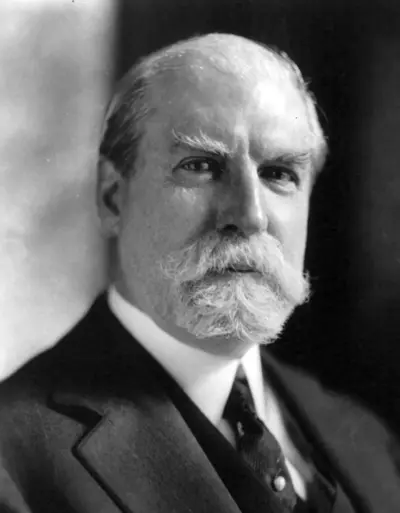
Charles Evans Hughes Sr. was an American statesman and politician who served as the 11th Chief Justice of the United States from 1930 to 1941. A member of the Republican Party, he was also the 36th Governor of New York, the Republican nominee in the 1916 presidential election, and the 44th United States Secretary of State.
