Thomas Francis Meagher Quotes
How fared the Irish artisan—how fared the Irish peasant? Where one pined, as he yet pines, in your beggared cities, the other starves, upon your fruitful soil.
For his seditious activities he was sentenced to penal servitude for life. He escaped and came to America where he entered politics
Thomas Francis Meagher, 1823-1867, Irish Founder of the Irish News and Co-Founder of the Irish Confederation, Irish Revolutionist, Organizer and General of the New York Irish Brigade of the American Civil War Union Army, Secretary of Montana, Appointed Governor of Montana but drowned before taking office, Speech 1845
Sourced by: Eigen's Political and Historical Quotations


As the son of a former president he fought in both WWI and WWII and was awarded the Congressional Medal of Honor. See {593105} for another quotation on the poverty of Puerto Rico.

He did previous research on the operators and their most visible factors of great wealth.


During the Irish potato famine, other crops continued to be exported from Ireland. Some argued that without the exports the Irish economy would totally collapse exacerbating the pain to Ireland, but many others disagreed and argued that all available food should be used for the people of the country. For his seditious activities he was sentenced to penal servitude for life. He escaped and came to America where he entered politics


Fitzhugh was a Southern iconoclast whose view of Northern labor was much like that of Karl Marx but who was an enthusiastic supporter of slavery.

Indian and Black slaves were outlawed very early in Connecticut, not on moral grounds of concern for the Indians and Blacks, but because of the negative effects on the white poor. Why would anyone pay the poor any more than the amortization costs of a slave? Therefore there was no way a poor white could make a living wage if slavery were to coexist.


At the time many people worked 60 hours a week and those on piece work to make ends meet worked much longer.

In 1915 England had a food blockade against Germany. Germany had begun U-boat attacks on British flag civilian liners:


The Lockout was a major industrial dispute between approximately 20,000 workers and 300 employers which took place in Ireland's capital city of Dublin. The dispute lasted from August 1913 to January 1914, and is often viewed as the most severe and significant industrial dispute in Irish history. The Employers Association, intent on breaking the Unions, told workers that if they did not resign from the Union, they would be fired. With the exception of the Guinness company, all the major employers fired most of their employees and brought in scab labor from England. The Union workers and their families were starving and only food from English labor unions kept them alive. The workers finally had to give in and for signing pledges to refrain from joining unions, they were allowed to have their jobs back. Although it seemed a victory for the employers, as this letter explained, the price was paid for years thereafter and soured Irish labor relations for most of the 20th century. While the locked out workers were both Protestants and Catholics, the Irish Catholic Church sided with the employers and even opposed a plan whereby children of Irish strikers would be temporarily looked after by British trade unionists in England, Scotland & Wales. The church protested that Catholic children would be subject to Protestant or atheist influences when in Britain.

The Irish landlords were a craven and greedy lot. See {639225}.


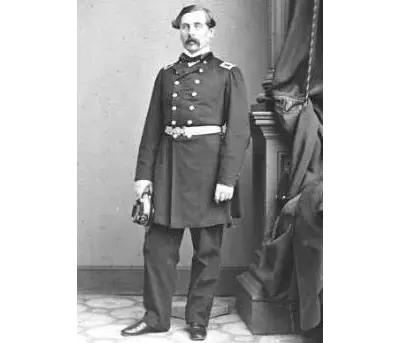
Thomas Francis Meagher was an Irish nationalist and leader of the Young Irelanders in the Rebellion of 1848. After being convicted of sedition, he was first sentenced to death, but received transportation for life to Van Diemen's Land (now Tasmania) in Australia.
