Will Cuppy Quotes
Henry VIII had so many wives because his dynastic sense was very strong whenever he saw a maid of honour.
Cuppy, Will. The Decline and Fall of Practically Everybody. Henry Holt and Company, 1950, p. 192.


At the time polygamy was approved of by the Mormons. However they were pressured to accept monogamy in order to have peace with the rest of the nation. The Mormon church changed its doctrine and Mormons may only have a single wife. However, there are some dissident Mormon groups that still illegally practice polygamy.


Many whites applauded his views when they corresponded to Christian mores of the time.

Luther’s logic was that polygamy was sanctioned in the Old Testament and never specifically forbidden in the New Testament. This fact totally puzzled the American Mormons when the Protestants railed against the immorality of their plural marriages.


Dmitri Ivanovich Mendeleev was a great scientist who had created the famous Periodic Table of the Elements. He was also the major science advisor to the Czar and his government. He had been divorced but had not waited the required 7 years before remarrying. Therefore according to Russian religious law at the time, he was legally a bigamist, and could not hold a position in the government and should be prosecuted. A complaint was made to the Czar and this was his reply. There are a few scholars who do not feel this quotation was documented well enough to be accepted.


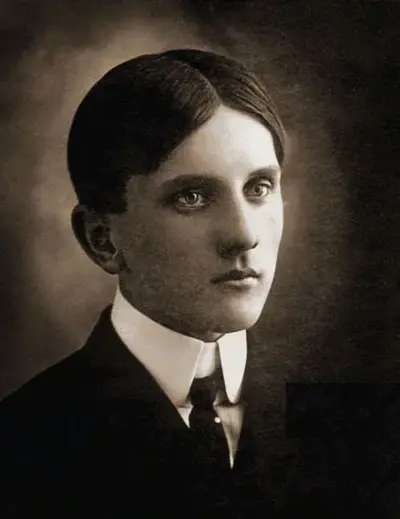
William Jacob Cuppy was an American humorist and literary critic, known for his satirical books about nature and historical figures. Writing funny but factual magazine articles was Cuppy's real talent. He enjoyed a brief success in 1933 with a humorous talk show on NBC radio with actress and gourmet cook Jeanne Owen, but failed to capitalize on it. His best-known work, a satire on history called The Decline and Fall of Practically Everybody, was unfinished when he died. It was completed and published in 1950 by his friend Fred Feldkamp, who sifted through nearly 15,000 of Cuppy's carefully filed note cards to get the book into print. Feldkamp also edited a second posthumous volume, a comic almanac titled How to Get from January to December, that appeared in 1951.
