H. L. Mencken Quotes
Every lynching deprives its victim of his life without due process of law, and denies him an equal protection of the law. The States are charged with punishing all such invasions as the common rights of the citizens, but some of them have failed in their effort to do so, and others have not honestly tried. Meanwhile, lynchings continue, and though they do not increase in number, they show some tendency to increase in savagery.
Mencken, H. L. A Mencken Chrestomathy. Alfred A. Knopf, 1949.


William Z. Foster, the 1928 communist presidential candidate, was arrested because his party’s leaflet contained this “inflammatory” slogan.


Wells, more than any individual in American history, documented and publicized the horrid practice of lynching in the belief that if the American people knew the horrors of what was going on, they would put a stop to it. She was right in the long run but it took more than 50 more years before the last vestiges of this form of racial torture and murder was ended in the South. The morality of the South was so warped that the torture, burning and killing was entertainment—viewed by many townspeople including women and children. The leading citizens of the South refused to investigate and prosecute those who actually performed the lynching even though there were photographs and hundreds of eye witnesses and newspapers carried the horrible stories.


This statement was published in a major magazine of the time. It referred to a notorious lynching in the South where the victim had been brutally tortured and burned to death. In this case the victim had apparently committed a horrible crime. The Bishop condemned the horrific nature or the lynching but took the view that it was an act of insanity and that the relatives of the child killed by the lynching victim may well have been driven to insanity by the act However, this lynching, like most all in the South was not just an act of vengeance—insane or not—by relatives of a victim, it was participated on by a large mob, many of whom had no relationship to any of the parties. Whites who committed horrible crimes were rarely lynched, but many accused Blacks were lynched even though they turned out to have been innocent.


With this type of rhetoric (see Quotation 643709) for another example), he gave the green light to local law enforcement agencies and vigilante groups, who in the first few weeks of his term of office, murdered without trial or any due process 1500 assumed drug dealers and drug users. In some cases feuds and scores were settled by the false accusation of a rival or enemy, and since there was no trial or way for the accused to even try and prove he was not a drug addict of dealer, a number of totally innocent people were victims of extra judicial killings encouraged by the President of the Country.
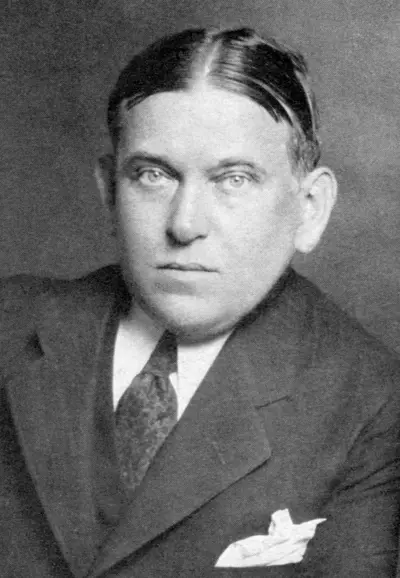
Henry Louis Mencken was an American journalist, essayist, satirist, cultural critic, and scholar of American English. He commented widely on the social scene, literature, music, prominent politicians, and contemporary movements. His satirical reporting on the Scopes Trial, which he dubbed the "Monkey Trial," also gained him attention.
