Constantine XI Palaiologos Quotes
Do not allow them to fall into despair and weaken their efforts in battle.
The Ottoman Turks had already conquered the Eastern Roman empire outside of Byzantium. They had overwhelming superiority and it was just a matter of time when they would take the city. Surrender would have been the sensible course, but religious passion against surrendering the holy city capital of Christendom to the Muslims was dominant in the Emperor and some of the leadership. But the morale of most was very low—and for good reason. The Ottomans soon captured the city.
Constantine XI Palaiologos, 1404–1453, Byzantine Emperor, Statement to his officers and officials about maintaining morale of the people and the troops, 1453
Sourced by: Eigen's Political and Historical Quotations

The Turks could not take the city then, but they did 56 years later in 1453.

This quotation is often used to illustrate the "Muslim propensity to violence". However, the context of the quotation was a historical circumstance whereby Muhammad's followers were endangered by others and the fighting was of a defensive nature. However, Islam is also a religion requiring believers to spread the religion. So, if there were people or countries or tribes that resisted conversion, the religion was interpreted by many Muslims as being under attack. Therefore violence was justified. In modern times, some religious leaders saw modernism and The West as a danger to Islam and it's tradition, therefore this and other passages of the Koran are often used to justify the terrorism that became so prevalent.


In 1453 the Ottoman Turks shocked Christendom by capturing Constantinople, the capital of the Byzantine Eastern Christian Empire. It was always perceived as a religious conflict between Christians and Muslims but that is an over simplification of a very complex sociological, religious, and political historical period. As this quotation shows us there were many Christians aiding the Muslim side. There were also many Muslims fighting on the Christian side.

The Emperor had sent a challenging message to the young Ottoman Sultan {634798}. Constantine would not negotiate terms of surrender despite the overwhelming strength of the Turkish forces. The Sultan attacked and took the city in a battle where not only was Constantine killed but a large part of his people as well. The Muslims have held Byzantium (Constantinople, now Istanbul) since.


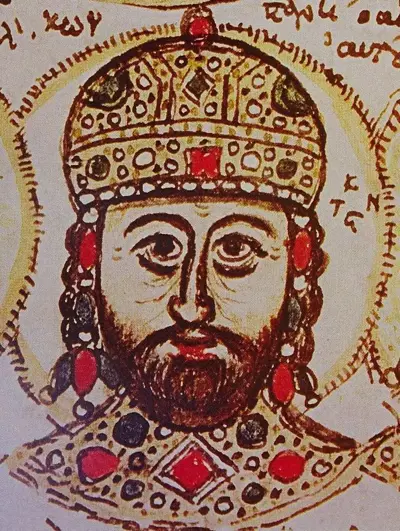
Constantine XI Dragases Palaiologos or Dragaš Palaeologus was the last Byzantine emperor, reigning from 1449 until his death in battle at the Fall of Constantinople in 1453. Constantine's death marked the end of the Byzantine Empire, which traced its origin to Constantine the Great's foundation of Constantinople as the Roman Empire's new capital in 330. Given that the Byzantine Empire was the Roman Empire's medieval continuation, with its citizens continually referring to themselves as Romans, Constantine XI's death and Constantinople's fall also marked the definitive end of the Roman Empire, founded by Augustus almost 1,500 years earlier.
