Wendell Willkie Quotes
But if we had to trade with a Europe dominated by the present German trade policies, we might have to change our methods to some totalitarian form. This is a prospect that any lover of democracy must view with consternation.
Willkie, Wendell L. Statement to the Senate Foreign Relations Committee, 11 Feb. 1941. Published in The New York Times, 12 Feb. 1941, p. 4.


This summary of the problem of trying to politically “sell” free trade is as good as anyone has ever said it in America. And the problem and argument has not changed since. Free trade is good for most, but really harms some in specific situations. The beneficiaries often do not realize who they are or how they have benefitted, but those who are harmed generally know exactly how and what the damages are.


Pound was not only an admirer of Mussolini and Fascism, but actually was a traitor and became a propagandist for the Axis in WWII. At his treason trial after the war, he had a breakdown and was committed to a mental hospital as he was not fit to stand trial. He was hospitalized for 12 years. Jefferson and Mussolini could not be more opposite in political philosophy.

65 years later, this would become a major principle of conservatives, but it was a liberal President who seemed first to make this statement in a major address.


This statement later became known as “The Truman Doctrine.”

De Tocqueville was generally concerned about what he saw as an inherent conflict between freedom and equality. Efforts to produce equality can lead in some cases to impingements on some freedoms or rights. Unlimited free rights can produce inequality and a de facto autocracy. Even in modern times America is struggling to find a proper balance.


This quotation is typical of Mrs. Roosevelt’s strong criticism of Communism. However despite these positions, many of her political enemies continued to call her a Communist or a “fellow traveler”—one who tended to support Communism.

In England at the time, the liberals were for free trade and the conservatives against. In both England and America both liberals and conservatives have flip flopped their roles in foreign trade several times. Free trade is a two edged sword; it aids domestic growth, employment and prosperity in some cases and hurts them on others. And there are always winners and losers for each example of free trade within any country. The result is no long term commitment and much flip flopping.


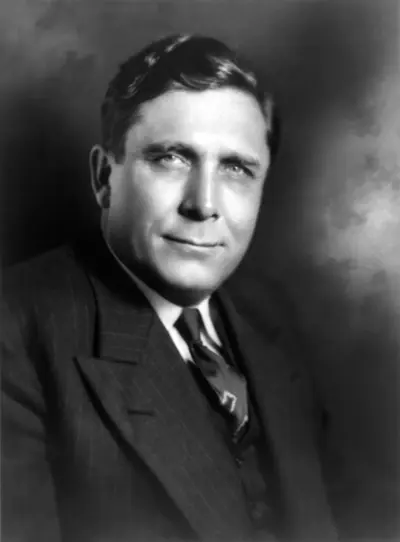
Wendell Lewis Willkie was an American lawyer, corporate executive, and the 1940 Republican nominee for President of the United States. Willkie appealed to many convention delegates as the Republican field's only interventionist: although the U.S. remained neutral prior to Pearl Harbor, he favored greater U.S. involvement in World War II to support Britain and other Allies. His Democratic opponent, incumbent President Franklin D. Roosevelt, won the 1940 election with about 55% of the popular vote and took the electoral college vote by a wide margin.
