David E. Sanger Quotes
After more than two decades of traveling with American presidents and chief diplomats - on visits to places that have included some of the world's most repressive nations - I am used to watching leaders disappear behind closed doors.
Sanger, David E. Confront and Conceal: Obama's Secret Wars and Surprising Use of American Power. Crown Publishers, 2012.


In 1904 the Archduchess of Austria was visiting the Adriatic port of Fiume where hundreds of immigrants to America were waiting to board the ship. The nobility of the time found amusement in the poor immigrants boarding with their meager possessions and poor clothes. The Archduchess wanted the people to board 3 days early so she could watch the spectacle before she left. They would then have to stay in the steerage of the ship for 3 extra days. The American consul refused to issue the necessary papers until just before the sailing:


“The word “monitoring” is a polite diplomatic word for “spying on”. She made this statement in July of 2014 when the Germans discovered that the United States was spying on their government and ejected key Americans from the country. Albright was explaining that this is extremely common and “normal” between allies. See {640830} for more on this subject.


She was the first person in this newly created post.


Diplomatic recognition of the People’s Republic of China was being debated. Many of Churchill’s Conservative Party Colleagues were opposed on the grounds that diplomatic relations gives a signal of legitimacy. In the U. S. this general issue is a constant source of political controversy when diplomatic relations and talks are considered with Iran, Cuba and North Korea.

“Dey” and “bey” were Arabic terms for the local ruler of an area.


The Constitution was not drafted until 1787 and was ratified later. In the interim the young United States functioned under the Articles of Confederation, in a sense, our first Constitution. This clause established that the Federal Government should have the exclusive power and authority to conduct foreign affairs.


What he does not consider is that a large number of Americans don’t want their government having grand strategies if there is no threat to the United States or no critical national interest. For them crises and threats are all that should occupy our foreign affairs.

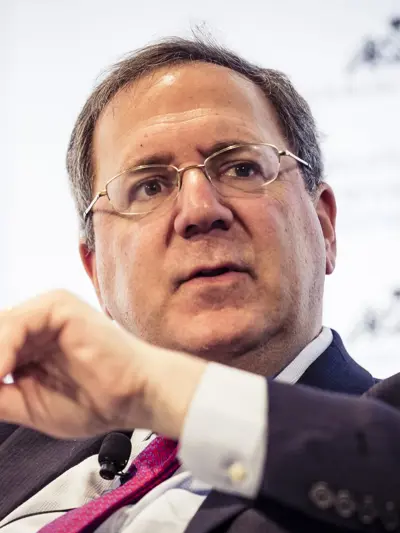
David E. Sanger is the chief Washington correspondent for The New York Times. A 1982 graduate of Harvard College, Sanger has been writing for the Times for 30 years covering foreign policy, globalization, nuclear proliferation, and the presidency.
