Timothy Thomas Fortune Quotes
Afro-American
The term came to be used by many New York Newspapers.
T. Thomas Fortune, 1856-1928, Journalist & Newspaper Publisher, Term he coined as a substitute for “Negro,” New York Age
Sourced by: Eigen's Political and Historical Quotations


Pickering referred to Jefferson as the “Negro President” because he believed his presidential power rested on the shoulders of slavery.

For years this august reference publication perpetuated destructive ethnic myths such as this.


Thus testimony was an example of one of the reasons that Black Americans lobbied to end the use of the word, Negro, in official documents to describe them. “Negro” was a term used by whites to describe Blacks but rarely used by Blacks until Reconstruction. A century later, cultural and official language went back to the language that the slaves had used to describe each other and added “African American” as well.


At the time Thomas was the Chairman of the Equal Employment Opportunity Commission. In an informal discussion among some of the staff, a white employee was describing the difficulty he had encountered trying to get a bank loan. This quotation illustrates that Thomas has had an antipathy to affirmative action and racial programming or preferences well before he was appointed to the Appellate and later the Supreme Court.

He and other founders believed that Blacks freed from slavery would still suppress wages for whites and hurt industry. The possibility of intermarriage was also viewed as a moral degeneration. Approximately 15,000 Blacks chose to emigrate.

Like many Black players of the era, Flood suffered endless hateful epithets and curses from a white crowd, many of whom resented the fact that Blacks were integrating baseball, but resented them even more when their performance exceeded that of a favorite white player.


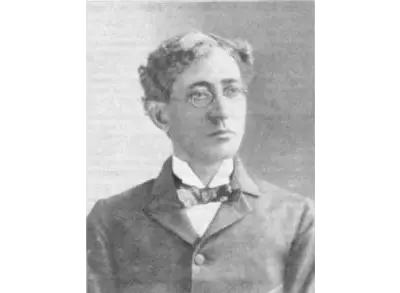
Timothy Thomas Fortune was an American orator, civil rights leader, journalist, writer, editor and publisher. He was the highly influential editor of the nation's leading black newspaper The New York Age and was the leading economist in the black community. He was a long-time adviser to Booker T. Washington and was the editor of Washington's first autobiography, The Story of My Life and Work. Fortune's philosophy of militant agitation on behalf of the rights of black people laid one of the foundations of the Civil Rights Movement.
