Manu Quotes
A fiftieth part of (the increments on) cattle and gold may be taken by the king, and the eighth, sixth, or twelfth part of the crops. He may also take the sixth part of trees, meat, honey, clarified butter, perfumes, (medical) herbs, spices, flowers, roots, and fruit; Of leaves, pot-herbs, grass, objects made of cane, skins, of earthen vessels, and all (articles) made of stone.
Manava Dharma Shastra. These were the proper allowable taxes in the Ancient Hindu system. This translates to two percent of cattle or gold and at most 17 percent of the crops. Most industrialized democracy citizens would be very happy to have this low a tax burden. Conversely, the tax rates of modern democracies are sinful by Ancient Hindu standards. This text is a part of the Hindu Holy Texts. Hindus believe that Manu was a prophet whose text is revealed or inspired.
Manu, ~ 500 BC, Hindu Teacher from India, Laws of Manu
Sourced by: Eigen's Political and Historical Quotations

American agriculture truly became independent when the British and American chemical industry learned to produce artificial nitrate which was important for military explosives as well as fertilizer. Chile, which had not developed many other revenue sources suffered.


Manava Dharma Shastra. This text is a part of the Hindu Holy Texts. Hindus believe that Manu was a prophet whose text is revealed or inspired.
Manava Dharma Shastra. Fundraisers, have even in ancient Hindu India, have long been appointed to key government posts. This text is a part of the Hindu Holy Texts. Hindus believe that Manu was a prophet whose text is revealed or inspired.
Manava Dharma Shastra. This text is a part of the Hindu Holy Texts. Hindus believe that Manu was a prophet whose text is revealed or inspired.
Manava Dharma Shastra. 500 years before Christ, the Hindus took more official care of females’ property than we and most European cultures did until relatively modern times. In Anciend India, women could inherit and own property, but because of their relative inexperience and no education, they were taken advantage of by relative who were “managing affairs” for them. This text is a part of the Hindu Holy Texts. Hindus believe that Manu was a prophet whose text is revealed or inspired.
Manava Dharma Shastra. This quotation shows that even thought the Ancient Hindu king was an autocrat, even he had to live within the law, and if he transgressed his fine was one thousand times the fin of a commoner. It is not clear whether or not this principle was actually imposed and when. But unlike the Christian King who could do no wrong, the Hindu king was not above the law. This text is a part of the Hindu Holy Texts. Hindus believe that Manu was a prophet whose text is revealed or inspired.
Manava Dharma Shastra. Ancient Hindu India had what may well have been the most regulated mercantile economy of any society in history. All prices for all goods were to be set by the king. In order to prevent the stultifying effect of price controls, the Hindus required that the prices be reset very frequently to reflect various market conditions. It was a highly regulated form of capitalism. This text is a part of the Hindu Holy Texts. Hindus believe that Manu was a prophet whose text is revealed or inspired.

Manava Dharma Shastra. This text is a part of the Hindu Holy Texts. Hindus believe that Manu was a prophet whose text is revealed or inspired.
Manava Dharma Shastra. This text is a part of the Hindu Holy Texts. Hindus believe that Manu was a prophet whose text is revealed or inspired.


Manava Dharma Shastra. This text is a part of the Hindu Holy Texts. Hindus believe that Manu was a prophet whose text is revealed or inspired.
Manava Dharma Shastra. This text is a part of the Hindu Holy Texts. Hindus believe that Manu was a prophet whose text is revealed or inspired.


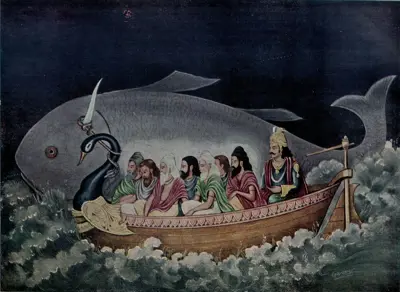
Manu (Sanskrit: मनु) is a term found with various meanings in Hinduism. In early texts, it refers to the archetypal man, or to the first man (progenitor of humanity). The Sanskrit term for 'human', मानव (IAST: mānava) means 'of Manu' or 'children of Manu'. In later texts, Manu is the title or name of fourteen mystical Kshatriya rulers of earth, or alternatively as the head of mythical dynasties that begin with each cyclic kalpa (aeon) when the universe is born anew. The title of the text Manusmriti uses this term as a prefix, but refers to the first Manu – Svayambhuva, the spiritual son of Brahma.
