Friedrich Schiller Quotes
When the wine goes in, strange things come out.
Johann Friedrich von Schiller, 1759-1805, German Historian & Poet, Wilhelm Tell, 1803
Sourced by: Eigen's Political and Historical Quotations


Ale has too often been praised by poets
The longer you drink the less sense your mind makes of things
Modern research has shown that the earliest deleterious effect of alcohol is impaired judgment and perception. It is fascinating that in this important set of advice from the chief God Odin, this was the problem that was focussed upon.


In some societies, drunkenness is an extenuating circumstance which diminishes moral and legal guilt. In others it is not. In the United States is sometimes is and sometimes is not. Generally, a drunk person will not be relieved of all guilt but often the charge will be lessened—for example from murder to manslaughter. Aristotle suggested, and in some Islamic countries it is observed that the person who commits a crime while drunk is punished twice—once for the crime and once for being drunk.

This is one of the earliest observations of the fact that after drinking alcohol, a person is apt to speak without his usual inhibitions and judgment. This has been the downfall of many politicians and is the largest problem of maintaining secrecy and confidentiality.


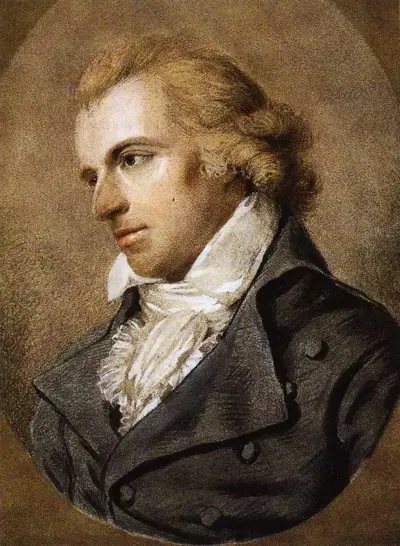
Johann Christoph Friedrich (von) Schiller was a German poet, philosopher, physician, historian, and playwright. During the last seventeen years of his life (1788–1805), Schiller developed a productive, if complicated, friendship with the already famous and influential Johann Wolfgang von Goethe. They frequently discussed issues concerning aesthetics, and Schiller encouraged Goethe to finish works he left as sketches. This relationship and these discussions led to a period now referred to as Weimar Classicism. They also worked together on Xenien, a collection of short satirical poems in which both Schiller and Goethe challenge opponents of their philosophical vision.
