Dennis Ross Quotes
When it comes to international negotiations it cannot all be kept confidential and secret. There must be a way of preparing publics for what is being negotiated.
Dennis Ross, Assistant Secretary of State, MidEast Negotiator, Interview, The Carnegie Endowment for International Peace, April 6, 2005
Sourced by: Eigen's Political and Historical Quotations


In the history of diplomacy and peace treaty negotiations, the various national representative would meet in secret, negotiate treaties and add secret clauses. Then the treaty was finally made public for approbal or ratification in the different countries no one would be told of the secret clauses. Each side would have a written secret copy of these clauses, but the publics of the country would never know. For example, the agreements about various WWII issues that were secret have not yet been made public in the United States or England. Wilson wanted to put an end to that diplomatic ploy and wanted all the peace treaty clauses to be public with nothing secret. He also wanted the deliberations to made in public woth press access. He had little support for the idea in most European nations.

Her experience in the United Nations made her realize that most of the foreign policies of the more powerful and sophisticated countries were stated in such complex, nuanced, and politically coded language, that most of the literate and educated people in many countries could not understand them. This was, and is today, often true of many government officials around the world.


The Secretary of State had obtained an agreement of Israel and the Palestinians to open Peace Talks. The press immediately wanted to know who was saying what to whom and what positions the parties had. However, this was a classic example where transparency would make successful negotiations impossible—it would end the negotiations before the parties could even discuss possible alternatives.

The public desire to know about and influence the details about diplomatic affairs is not just a problem of the 21st century. Here the Secretary of State describes it in 1922.


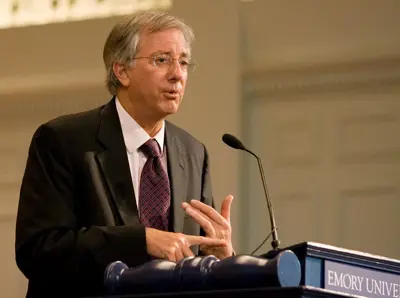
Dennis B. Ross is an American diplomat and author. He has served as the Director of Policy Planning in the State Department under President George H. W. Bush, the special Middle East coordinator under President Bill Clinton, and was a special adviser for the Persian Gulf and Southwest Asia (which includes Iran) to the former Secretary of State Hillary Clinton.
