Harry Hopkins Quotes
We shall tax and tax, and spend and spend, and elect and elect.


Although the Professor was often right about this technique, at the time he made this statement, the Clinton administration was actually cutting spending and using much of the revenue to pay for the deficit—just the opposite of what the Professor was worried about. It was successful and the deficit was eliminated and surpluses were projected. However the succeeding administration more closely followed the professor’s pattern and increased spending enormously for serious needs, but also cut taxes, so that we went during the Bush administration from the largest projected surplus in American history to the greatest deficit in American history.


Advocating canceling one year of the tax cuts for the wealthiest people to pay for the Iraq War.


This has long been a principle of most politicians responsible for taxation and national budgets. A forced loan, was a practice where instead of taxing and industry like banks, the government requires that the loan the government a certain amount which the government pays back with interest. For the banker, this is preferable to a bank tax which he will never get back,, but then the interest has to be paid by everyone. If the benefit or its potential is to accrue to all citizens, then all the citizens should share in the burden—hence general taxes. See {639883} for a similar contemporary view.
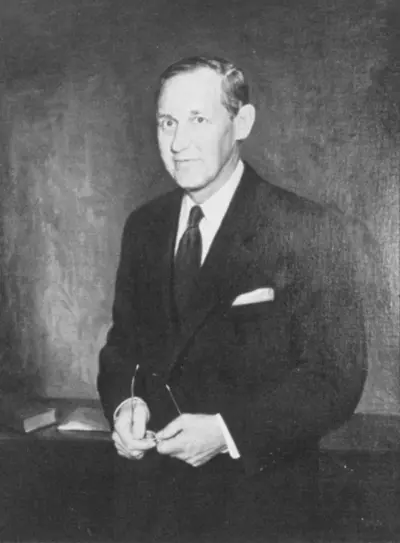
Harry Lloyd Hopkins was the 8th Secretary of Commerce, and President Franklin Delano Roosevelt's closest advisor on foreign policy during World War II. He was one of the architects of the New Deal, especially the relief programs of the Works Progress Administration (WPA), which he directed and built into the largest employer in the country. In World War II, he was Roosevelt's chief diplomatic troubleshooter and liaison with Winston Churchill and Joseph Stalin. He supervised the $50 billion Lend-Lease program of military aid to the Allies.
