Amy Levy Quotes
We are no more content to plod along the beaten paths - and so marriage must go the way of God.


In the last centuries, Egypt has been intellectually more advanced than the other Arab countries. It has a significant number of modernists who oppose religious influences on Government. During the Arab Spring when the old regime was ousted, the modernists had hopes that a modern democracy would be formed that was not controlled of even significantly influences by religious leaders and where women would have equal rights. However, the first election the Muslim Brotherhood, a religious party won, and then tried to institute Islamic law—Sharia. A coup ousted the Muslim Brotherhood, and then many dreamed again of a modern, non-sexist, secular democracy. Professor Ajami tried to give them a more realistic view.


In 1877 Wasburn was dropped from the List of Ministers by the Unitarian Church. He had become very critical of organized and orthodox religion of all kinds.


He was one of the first Islamic thinker to distinguish between the Koran and the requirements of Islam on the one hand and the traditions of the cultures of the Arabian Peninsula on the other. For example, there is no justification anywhere in Islamic theology for the “Honor Killing” of women; it was a long standing tradition of some of the cultures. But many Muslims and non-Muslims believe that the practice is a part of Islam. There are hundreds of other examples and Abduh tried to eradicate the influence of these traditions. He had traditional and extremist opponents in his lifetime as well as today.


In an interview with a Norwegian magazine, the Eco stated that he had based his novel, “Foucault’s Pendulum”, on Chesterton’s epigram: “When men stop believing in God, they don’t believe in nothing, they believe in anything.” See related quote.


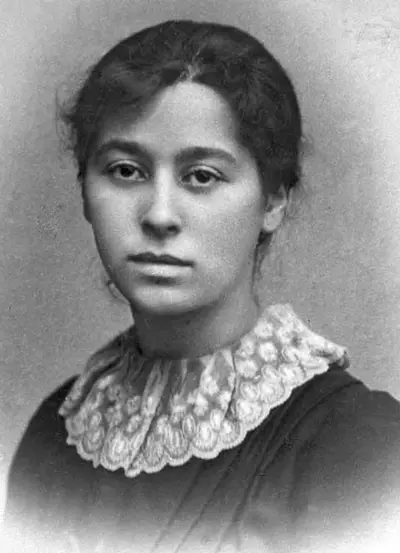
Amy Judith Levy was a British essayist, poet, and novelist best remembered for her literary gifts; her experience as the first Jewish woman at Cambridge University and as a pioneering woman student at Newnham College, Cambridge; her feminist positions; her friendships with others living what came later to be called a "New Woman" life, some of whom were lesbians; and her relationships with both women and men in literary and politically activist circles in London during the 1880s.
