Dutch West India Company Quotes
We are a trading corporation, not a body of sectarian propagandists, and therefore discourage any intolerance.
The Governor had banished John Bowne, the Quaker from the colony. In general, he was opposed to Quakers, Jews and other “non-Christians.”
Dutch West Indies Company Letter to their New Amsterdam Governor Peter Stuyvesant, December 22, 1659
Sourced by: Eigen's Political and Historical Quotations

The Governor opposed Jews being allowed into the colony at all, but was overruled by the Dutch West India Company. He feared that this would set a precedent and then Catholics and other “dissenters” would come to New York. He then prohibited them from worshipping as Jews {35223} but was again overruled. He was a very unpopular Governor who himself was a Calvinist fundamentalist having been the son of a Calvinist minister and studied for the ministry himself. The company set the standard of religious tolerance and enforced it. See {611104}. The governor predicted the consequence and the precedent did indeed allow Catholics to come to New York and both Jews and Catholics have been significant New York population groups ever since.


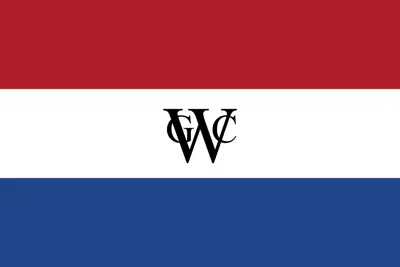
The Dutch West India Company (Dutch: Geoctrooieerde Westindische Compagnie, or GWC; Dutch pronunciation: [ɣəʔɔktroːˈjeːrdə ʋɛstˈɪndisə kɔmpɑˈɲi]; English: Chartered West India Company) was a chartered company of Dutch merchants as well as foreign investors. Among its founders was Willem Usselincx (1567–1647) and Jessé de Forest and the Americas, which included the Pacific Ocean and the eastern part of New Guinea. The intended purpose of the charter was to eliminate competition, particularly Spanish or Portuguese, between the various trading posts established by the merchants. The company became instrumental in the largely ephemeral Dutch colonization of the Americas (including New Netherland) in the seventeenth century. From 1624 to 1654, in the context of the Dutch-Portuguese War, the GWC held Portuguese territory in northeast Brazil, but they were ousted from Dutch Brazil following fierce resistance.
