Ambrose Bierce Quotes
TRUCE, n. Friendship.
Bierce, Ambrose. The Devil's Dictionary. The Neale Publishing Company, 1911.


This is one of the fears of many Israelis—that a Palestinian state with a peace treaty—will just be an opportunity for the Arabs to gain strength and develop their capability to again try and destroy the Jewish state which they have tried to do ever few years until they are defeated and another truce is negotiated.


This is the quotation that came to define Chamberlain’s naivety for history and the icon of failed diplomacy. However to see the beginning of the sequence of events that would lead up to this statement, see {585940} when Chamberlain suggested the infamous meeting in Munich. There had been an interesting history to Chamberlain’s appeasement of Germany. 39 years earlier, Chamberlain’s father, then Britain’s Colonial Secretary, and advocated a natural alliance with Germany. See Joseph Chamberlain, 1836-1914: {585939}.

The Conclusion of the Russo-Japanese War. The treaty was negotiated and signed in Portsmouth New Hampshire. President Theodore Roosevelt was awarded the Nobel Peace Prize for his mediating efforts. The language was typical of a peace treaty where just before its signature the two nations and their emperors were vilifying and dehumanizing the other.


His recipe for mediating disputes.
among the wives of the king

This idea came from Dutch Philosopher Benedict Spinoza. See his quotation from 1677.
There were some anti-war forces in Germany in World War I.


The Vietnam War was raging and the country was polarized by it. The real issue of the time, as we were in the war, was whether we could better obtain peace by winning victories in the field causing the enemy to want to negotiate or to withdraw and produce peace unilaterally. In the end we tried a little of both reflecting the division in the nation. We succeeded at neither strategy and the polarization continued for many decades.
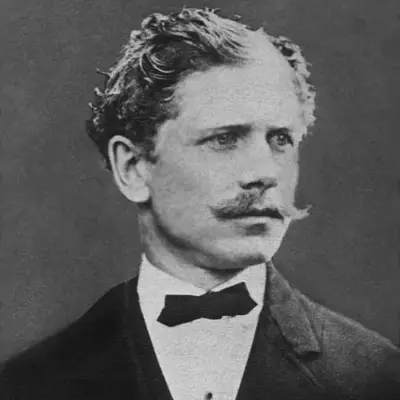
Ambrose Gwinnett Bierce was an American short story writer, journalist, poet, and Civil War veteran. His book The Devil's Dictionary was named as one of "The 100 Greatest Masterpieces of American Literature" by the American Revolution Bicentennial Administration. His story "An Occurrence at Owl Creek Bridge" has been described as "one of the most famous and frequently anthologized stories in American literature"; and his book Tales of Soldiers and Civilians (also published as In the Midst of Life) was named by the Grolier Club as one of the 100 most influential American books printed before 1900.
