Samuel Freeman Miller Quotes
There is a citizenship of the United States, and a citizenship of a State, which are distinct from each other, and which depend upon different characteristics or circumstances in the individual.
Samuel Freeman Miller, 1816-1890, U. S. Supreme Court Justice, Majority Opinion, Slaughter-House Cases 1873
Sourced by: Eigen's Political and Historical Quotations

The 14th Amendment made the Black slaves and their families all citizens as most people know, but it had two other important aspects. It prohibited the individual states from deciding who who was and was not a citizen of the country and the state. In addition, it guaranteed that anyone born in the United States was a citizen regardless of the status of his parents—citizens or not, illegal immigrants or legal.

Various elements of the 14th amendment were being debated. Language referred to “citizens” but many of the abolitionists and reconstructionists were concerned that the slavery forces in the Southern states would not provide protections to the Negro and the grounds that the were not citizens. As long as the states could define who was and was not a citizen, any of the equal protection clauses of the proposed 14TH Amendment could be evaded. Senator Howard then proposed this language which was accepted and became part of the Amendment. In modern times this particular clause was more relevant to the debate about immigration than to civil rights but originally the clause was included to make sure that Blacks would be citizens.


Surprisingly to most people, American Indians born in the United States were not automatically citizens until this law was passed making them so.


The issue was could a person from another state come into New Jersey and dredge oysters with the same rights and privileges as a citizen of New Jersey? Washington said, no.


Curtis resigned from the court over the majority opinion.


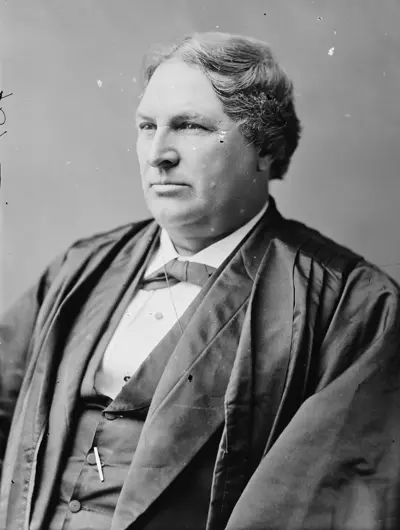
Samuel Freeman Miller was an associate justice of the United States Supreme Court who served from 1862 to 1890. He was a physician and lawyer.
