Benjamin Robbins Curtis Quotes
I can find nothing in the Constitution which … deprives of their citizenship any class of persons who were citizens of the United States at the time of its adoption, or who should be native-born citizens of any State after its adoption; nor any power enabling Congress to disfranchise persons born on the soil of any State, and entitled to citizenship of such State by its Constitution and laws. And my opinion is, that, under the Constitution of the United States, every free person born on the soil of a State, who is a citizen of that State by force of its Constitution or laws, is also a citizen of the United States.
Curtis resigned from the court over the majority opinion.
Benjamin Curtis, 1809-1874, U. S. Supreme Court Justice, Dissent, Dred Scott
Sourced by: Eigen's Political and Historical Quotations

Various elements of the 14th amendment were being debated. Language referred to “citizens” but many of the abolitionists and reconstructionists were concerned that the slavery forces in the Southern states would not provide protections to the Negro and the grounds that the were not citizens. As long as the states could define who was and was not a citizen, any of the equal protection clauses of the proposed 14TH Amendment could be evaded. Senator Howard then proposed this language which was accepted and became part of the Amendment. In modern times this particular clause was more relevant to the debate about immigration than to civil rights but originally the clause was included to make sure that Blacks would be citizens.

The 14th Amendment made the Black slaves and their families all citizens as most people know, but it had two other important aspects. It prohibited the individual states from deciding who who was and was not a citizen of the country and the state. In addition, it guaranteed that anyone born in the United States was a citizen regardless of the status of his parents—citizens or not, illegal immigrants or legal.


The issue was could a person from another state come into New Jersey and dredge oysters with the same rights and privileges as a citizen of New Jersey? Washington said, no.


In his Senate confirmation hearings Frankfurter was repeatedly asked about his association with the ACLU and his views on Communism by conservative Senator Pat McCarran:

In a 1949 dissenting opinion in Terminiello v. Chicago Jackson claimed the majority view would “convert the Bill of Rights into a suicide pact.”


Surprisingly to most people, American Indians born in the United States were not automatically citizens until this law was passed making them so.
He had been a Congressman before assuming the Presidency. Civil rights was a major subject of debate after the Civil War. One major issue was that of citizenship itself. Many contended that Americans were citizens of a state and dependant on the state for the protection of civil rights. However, the extent to which the Federal government could and should be the guarantor of citizenship issues was in dispute. Today with the issue settled in favor of Federal preeminence, it is hard to realize that this was very unsettled at one point in history. Garfield was one of those leading the effort for more Federal involvement and control.

As a woman, Anthony was found guilty of “illegal voting” in the Presidential election of 1872. Fining her $100 the judge asked if she had anything to say. This was her reply.

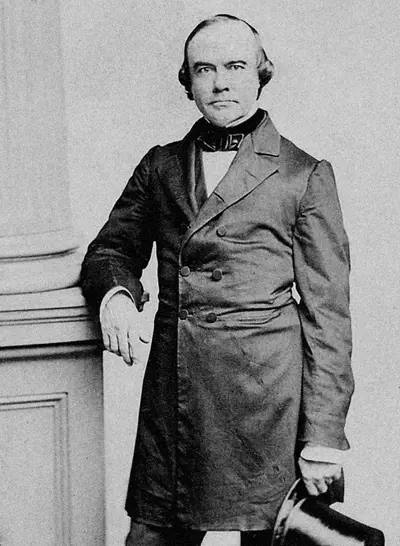
Benjamin Robbins Curtis was an American attorney and United States Supreme Court Justice. Curtis was the first and only Whig justice of the Supreme Court. He was also the first Supreme Court justice to have a formal legal degree and is the only justice to have resigned from the court over a matter of principle. He successfully acted as chief counsel for the Impeachment of U.S. President Andrew Johnson during the first presidential impeachment trial and is notable as one of the two dissenters in the Dred Scott decision.
