Sam Ervin Quotes
There is not a syllable in the Constitution that gives the federal government the right to spy on civilians.
Samuel J. Ervin Jr., 1896-1985, U. S. Congressman & U. S. Senator (Democrat, NC), October 18, 1966
Sourced by: Eigen's Political and Historical Quotations


For the classic formulation, see Brandeis, Olmstead v. U.S., 1927

Senator Church was the chairman of the committee. It’s reports (14 in all) are the most extensive documentation of U. S. intelligence ever compiled.


Snowden, was a contract worker for Booz Allan assigned to the National Security Agency (NSA). He felt that some of the NSA activities were illegal and unethical and tried to complain to NSA officials who rebuffed him. Despite the fact that he had signed an agreement not to do so, he copied many critical, classified documents that exposed much of the NSA activities that the NSA officials had denied existed—including lying under oath to the Senate. He then made many of them public, violating his oath, breaking the law, and opening up an entire area of government spying which most Americans knew nothing about and about which senior government officials had lied under oath to Congress. They of course wanted to prosecute Snowden who had told the truth, while they had lied. For many Americans, this became a moral and ethical conundrum.


He was then a Senator. When he became Attorney General he not only greatly increased the amount of surveillance that was done be the Federal government, but he also asked for huge increases in government authority to read mail and conduct surveillance—increases that he had opposed when he was a Senator.


to enhance its ability to conduct surveillance


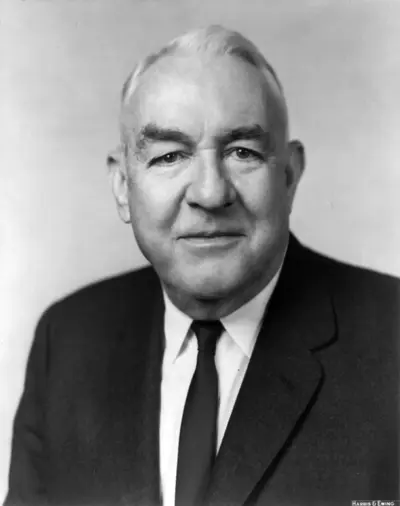
Samuel James Ervin Jr. was an American politician. A Democrat, he served as a U.S. Senator from North Carolina from 1954 to 1974. A native of Morganton, he liked to call himself a "country lawyer", and often told humorous stories in his Southern drawl. During his Senate career, Ervin was a staunch defender of the Jim Crow laws and racial segregation, as the South's constitutional expert during the congressional debates on civil rights. Paradoxically, he was also known for his support of civil liberties. He is remembered for his work in the investigation committees that brought down Senator Joseph McCarthy in 1954 and especially for his investigation of the Watergate scandal in 1972 that led to the resignation of Richard Nixon.
