Queen Victoria Quotes
The principle which the Queen would wish to see acted upon in her diplomatic appointments in general, is, that the good of the service should precede every other consideration, and that the selection of an agent should depend more on his personal qualifications for the particular post for which he is to be selected than on the mere pleasure and convenience of the person to be employed, or of the Minister recommending him.
This quotation illustrates another political advancement instituted by Queen Victoria. In this case it was Merit Appointments which were almost unheard of. The Foreign Secretary, Lord Palmerston, was notorious for his crony appointments and the use of appointments to gain political support for himself. (He was good at it and became prime minister 4 years later.0 However, under the Queen’s constant insistence and pressure, merit began to be the major factor in selection and appointments. Ironically, even in the United States, diplomats though often very qualified, are one of the last vestiges of patronage appointments with many ambassadorships going to campaign contributors.
Victoria Alexandrina, 1819-1901, [Queen Victoria], Queen of Great Britain and Ireland & Empress of India, Letter to Foreign Secretary John Temple (Lord Palmerston), January 31, 1851
Sourced by: Eigen's Political and Historical Quotations

This law established the Civil Service Commission and for the first time in American History required open examinations for the appointing of government employees. Japan had required examinations for civil service for hundreds of years. President Garfield had called for such legislation in his inaugural address {586804} 2 years earlier. This was the legislation that implemented it.


The George W. Bush administration, violated the Civil Service Law and the traditions of the Justice Department by making hiring and assignment decisions on the basis of political ideology and participation. Making the situation worse, the political people who were put in senior positions of authority were often not very well qualified and far less so than the people they ended up supervising and outranking. The inspector general of the Justice Department, after being stonewalled, finally uncovered the mess and Monica Goodling, one of the worst offenders, was barred from ever working for the Justice Department again.


2nd Baronet Peel. He was then the Chief Secretary of Ireland and only 26 years of age. Patronage jobs, cronyism, and corruption was then extreme in Irish politics.


At the time, Civil Service jobs were all appointed and the government employees could be fired at will regardless of whether the did their jobs well or not. The President and the Cabinet members spent huge amounts of time dealing with people looking for appointments (“place”)
and hearing complaints from civil servants who had been fired unjustly. Two years later, Congress passed the legislation. See 1.
Reacting to criticism that political appointees were being given civil service jobs toward the end of an administration:


Roosevelt was then one of the 3 Civil Service Commissioners of the Harrison administration.


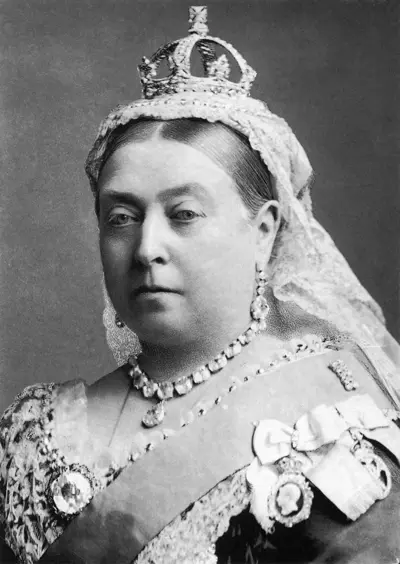
Victoria was Queen of the United Kingdom of Great Britain and Ireland from 20 June 1837 until her death in 1901. Known as the Victorian era, her reign of 63 years and seven months was the longest of any British monarch until surpassed by that of Elizabeth II. It was a period of industrial, political, scientific, and military change within the United Kingdom, and was marked by a great expansion of the British Empire. In 1876, Parliament voted to grant her the additional title of Empress of India.
