Alfred the Great Quotes
I wonder truly at your insolence, that, whereas by God's favor and mine, you have occupied the rank and office of the wise, you have neglected the studies and labors of the wise. Either, therefore, at once give up the discharge of the temporal duties which you hold, or endeavor more zealously to study the lessons of wisdom. Such are my commands.
Alfred [The Great], 849-899, King of the West Saxons, Reprimand of some of his appointees who did were not up to the jobs to which he had appointed them, Quoted in John Asser, The Life of King Alfred, ~888
Sourced by: Eigen's Political and Historical Quotations


This is an amazing speech which illustrated the best of the development and growth of Islam. Note that: The ruler who has just been given ALL secular AND religious power admits candidly that he may not be the best qualified. This would not happen for over another 1000 years and even today is very rare in any society. In addition, he invites the citizens to correct him when he is wrong. Later, Calihs would, like the Christian kings and popes claim infallibiity and kill any who suggested otherwise. And daring to correct the ruler was capital offence for most of history and is even dangerous in some Muslim countries today. Last and perhaps most amazing, the new Caliph called for an affirmative leveling of the inequality of rights and power and announces it asa one of his major responsiblities. It is this kind of vision so unheard of at the time which shows us why so many flocked to Islam at the time. From a fairness, human rights, and accoutabiity of the ruler point of view Islam was the most modern of the religions then. Tragically, other forces shaped Islam for the next 1500 years and most Muslim countries become the least modern and its rulers are least accountable to the citizenry with none of the other rights and concept of fairness that Abu Bakr and other early Islamic leaders brought.


1st Marquees of Halifax. This is a very important quotation because it still has much validity today. The “Prince” is the Monarch, King or Official Heading the State. Savile points out that if the Price does not take the time or make the effort to understand an issue and its complexity, he then must trust his advisors and their opinions rather than have any intelligent and knowledgeable views of his own. In modern times the advice applies to elected officials, executive and legislative. If they do not take time and make the effort to understand a complex issue, they cannot use their own judgment but must accept the judgment of staff, friends, colleagues, party leaders, lobbyists or members of committees who they hope are not also ignorant. In modern legislatures, there are so many different issues in so many areas, that it is very difficult to have the time to make the effort to study all the issues. This problem is compounded with politicians as they tend to spend large amounts of their time fundraising for their next election and simply do not have enough time to study issues. In the Congress for example, most members vote on bills that they have not even read and they end up trusting someone else’s judgment.


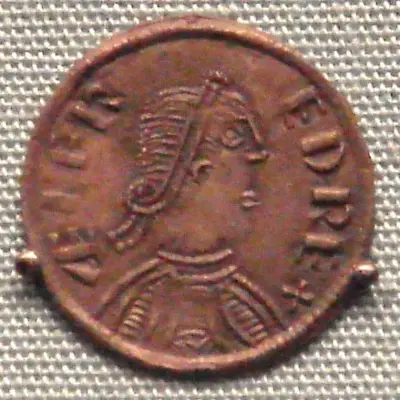
Alfred successfully defended his kingdom against the Viking attempt at conquest, and by the time of his death had become the dominant ruler in England. He is one of only two English monarchs to be given the epithet "the Great", the other being the Scandinavian Cnut the Great. He was also the first King of the West Saxons to style himself "King of the Anglo-Saxons".
