Henry Cabot Lodge Jr. Quotes
The primary, the fundamental, the essential purpose of the United Nations is to keep peace. Everything it does which helps prevent World War III is good. Everything which does not further that goal, either directly or indirectly, is at best superfluous.
Lodge, Henry Cabot, Jr. "The United Nations: Its Value to the United States." Department of State Bulletin, vol. 30, no. 765, United States Department of State, 22 Feb. 1954.


3rd Earl Russell of Kingston. The military weak nations agreed with him, but the militarily strong ones did not—especially America and England which had the Atomic Bomb when others did not.


One major problem at the time was that the Soviet Union was supporting and instigating revolutions in many parts of the world. When most nations of the UN wanted to provide peace keeping troops to quell the conflict, the Russians would veto and block the effort, Vandenberg wanted the UN to change the rules regarding the veto. The original right of veto for the major nations was originally included at the insistence of the United States and many Americans did not want to give it up or have any exceptions lest there be more. The Russians at that time also did not want to give up any of their veto powers. Another method that Vandenberg wanted to solve the Russian peacekeeping blockage problem was for America to engage in more collective security pacts so that action could be taken without UN Security Council unanimity by going around the UN.


The Republican controlled Senate had turned down the ratification of the League of Nations presented by Democratic President Wilson, and looked like they would turn down any international treaty even if presented by a Republican President. This statement allowed the treaty ratification by only a few votes. However, after that the Senate turned down our participation in the Permanent Court of Arbitration at the Hague. See {640099}.


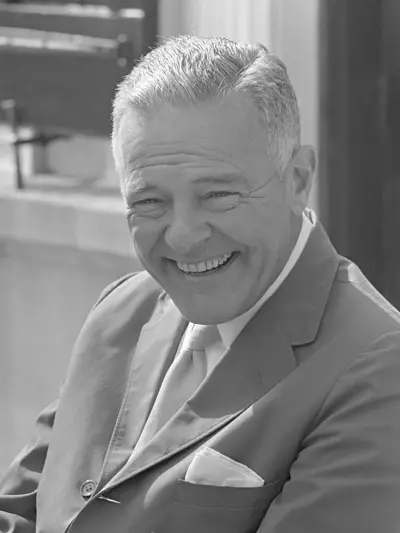
Henry Cabot Lodge Jr. was a Republican United States senator from Massachusetts in both Senate seats in non-consecutive terms of service and a United States ambassador. He was considered as a Presidential running mate, most significantly in 1952 by Dwight Eisenhower. Later, largely due to Eisenhower's advice and encouragement, he ended up being chosen as the Republican nominee for Vice President in the 1960 presidential election alongside incumbent Vice President Richard Nixon. The Republican ticket narrowly lost to Democrats John F. Kennedy and Lyndon B. Johnson. In 1964, Lodge won by a plurality a number of that years‘ party presidential primaries and caucuses on the strength of his name, reputation, and respect among many voters. This effort was encouraged and directed by low-budget but high-impact grassroots campaign by academic and political amateurs.
