HENRY CABOT LODGE JR.
(Henry Cabot Lodge Jr.)
He had just assumed his post 6 days earlier. At this point he did not have enough knowledge to favor or oppose the regime change, but he did realize that the decision was a serious one and there would be no turning back. Diem was a creature of the Central Intelligence Agency. An anti-Communist Christian in a Buddhist county, the CIA engineered his rise to power, created his political party, provided him with cash to bribe other Vietnamese politicians, and paid for all the propaganda so he would “win” the Presidential elections. However, he abused the Buddhists, was thoroughly corrupt and ran a corrupt administration, but worst of all from the American point of view, he was unable to motivate the South Vietnamese population to fight the Communists. He reached the point where he was more of a liability, and the Central Intelligence Agency engineered a coup d’etat to remove him from power and replace him with a President more to our liking. (See {634540}.)
During the Korean War Secretary of State John Foster Dulles sent instructions to the United Nations Ambassador as to how to vote in a UN debate. Lodge voted to the contrary. The Assistant Secretary of State called to inquire why the instructions were not followed.
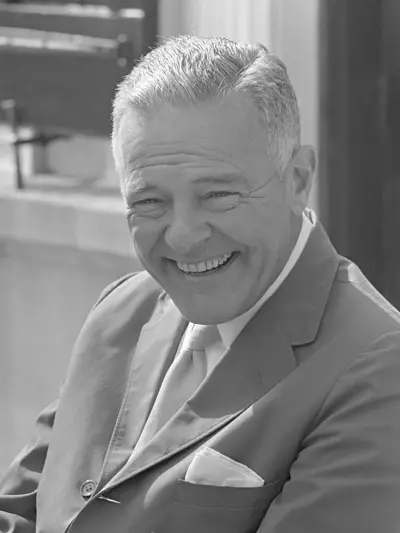
Henry Cabot Lodge Jr. was a Republican United States senator from Massachusetts in both Senate seats in non-consecutive terms of service and a United States ambassador. He was considered as a Presidential running mate, most significantly in 1952 by Dwight Eisenhower. Later, largely due to Eisenhower's advice and encouragement, he ended up being chosen as the Republican nominee for Vice President in the 1960 presidential election alongside incumbent Vice President Richard Nixon. The Republican ticket narrowly lost to Democrats John F. Kennedy and Lyndon B. Johnson. In 1964, Lodge won by a plurality a number of that years‘ party presidential primaries and caucuses on the strength of his name, reputation, and respect among many voters. This effort was encouraged and directed by low-budget but high-impact grassroots campaign by academic and political amateurs.
