Homer S. Cummings Quotes
The path to an amendment to the Constitution is a thorny one.
Homer S. Cummings, 1870-1956, Mayor of Stamford, CT (Democrat), U. S. Attorney General, November 15, 1936, diary entry
Sourced by: Eigen's Political and Historical Quotations

There are some conservatives who accused Brennan of altering the Constitution from the bench by his opinions. However, there is an unending debate as to how the constitutional interpreters should deal with concepts and reality that did not exist at the time of the Constitutional Convention and were unconcieved of. Some justices like Brennan believe that the principles of the Constitution should be extended and extrapolated to modernity. Others believe that in the absen?ce of specific language even Supreme Court just should not try and extrapolate. Both are reputable views and as time and technology march ahead, the issue is joined more frequently. For example, the Founding Fathers did not conceive of atomic weapons. But they insisted that Americans have the right to bear arms. An atomic bomb is a type of arm—a weapon of war and defense. Does an individual American have the right to have his own atomic bomb?


The argument was Prohibition, the 18th Amendment.

This president served his terms as allowed by the Constitution but then moved to change the constitution so that he could be the dictator as perpetual president. The purpose of constitutions is to limit and control the day to day political process and processes of reform. This stands the purpose of a constitution on its head. Modern totalitarian states almost all have constitutions. However where they differ from democracies is that the dictatorships ignore their constitutions, constantly suspend them in “emergencies” or change them at will to serve the interests of the ruling authorities. See {622125} for a Supreme Court Justice’s view of this kind of situation.


Patrick Henry, a political opponent of Madison's, spread rumors in Madison's Virginia home district that Madison was perfectly satisfied with the Constitution as it was drafted. Madison felt the need to set the record straight, and this letter was widely circulated by his friends.


When the Constitution was presented for ratification there were many who demanded changes before ratification to insure the rights of individuals and States. Others, agreeing that amendments were necessary, argued for passage after ratification. As soon as the Constitution was ratified, the first 10 Amendments—The Bill of Rights—were also passed.

This proposed Constitutional Amendment was debated just before Abraham Lincoln would take office. The South wanted to tie his hands on the Slavery issue, and wanted to end what had become a constant polarized Congressional debate over slavery. Of course, their idea of ending the debate was to Constitutionally prohibit further attempts to outlaw or otherwise interfere with slavery in the Southern states. A number of Northern members of Congress voted for it realizing that there was little or no chance of obtaining the ratifications of ¾ of the states and they wanted to buy some time for the Southerners to calm down over their fear of Lincoln and his upstart Republican party. The Amendment never obtained the needed votes though a few states did ratify it. Secession and the Civil War mad the amendment moot. The Southern position was so rigid, that they would compromise in no way on the slavery issue, and ended up of course losing more than they ever thought was possible by succeeding. Another reason this proposed amendment is historically important, is that it is yet another strong piece of evidence that the issue of the Civil War was slavery and not differences in political and economic philosophies as many Southerners have claimed since then. If States Rights in general were the great concern, would have been no reason to single out slavery if it were not the major issue. Yet the last phrase, “including that of persons held to labor or service by the laws of said State” does just. Similar evidence is given by the Secession Resolutions of the Southern States and the debates around them. It is clear that slavery was the issue that the South fought over.


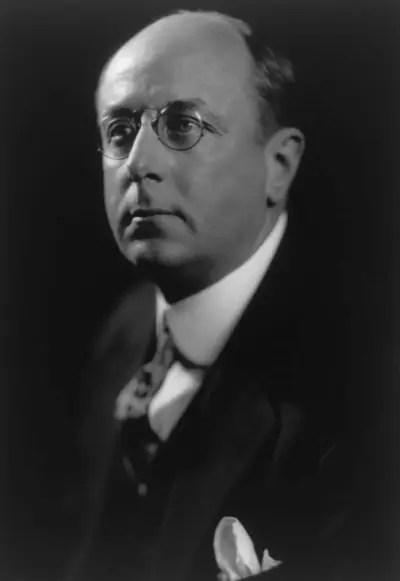
Homer Stille Cummings was a U.S. lawyer and political figure who was United States Attorney General from 1933 to 1939. He also was elected mayor of Stamford, Connecticut, three times before founding the legal firm of Cummings & Lockwood in 1909. He later served as chairman of Democratic National Committee between 1919 and 1920.
