Martin Luther King Jr. Quotes
The non-violent way does not bring about miracles.
This was King’s first appearance on the nation’s most prestigious news show.
Martin Luther King Jr., 1929-1968, Clergyman & Civil Rights Leader, Nobel Peace Laureate, Interview, NBC Meet the Press, April 17, 1960
Sourced by: Eigen's Political and Historical Quotations


Turnbow, a Black man in segregationist Mississippi, always carried guns for self-protection and advocated it for all Blacks.

1st Baron Macaulay. When there were riots or violent demonstrations in those days, the demonstrators would break up the street pavements and use the stone blocks to throw at police or soldiers. Change, reform and revolution has often occurred in England, the United States and several other democracies without riots or violent demonstrations. The Civil Rights movement demonstrations in the South often turned violent, but the violence never came from the protestors, but those opposed whose violence was condoned by the police often produced by the police themselves.


Magh Bahul Ekadashi


When the Mexican police and the army started to crack down on the drug cartels for killing each other over drug terrirory, the cartels struck back and started murdering police and soldiers and often civilians as well. At the time ex President Fox made this statement, the Mexican government admitted to 20,000 murders but many observers believed that the number was 50,000.

Half a century later some in the Muslim world were justifying terrorism, violence and intimidation on the grounds of desperation of the unique circumstances Islam as in and the attack Islam was under. However, many scholars use this quotation to illustrate that extra legal means and violence has been a Muslim tactic. It actually goes back to the beginning of Islam. It was ironic that Ali Kahn, after supporting extra-legal and violent means of achieving political objectives was himself the victim when he was assassinated in 1951.


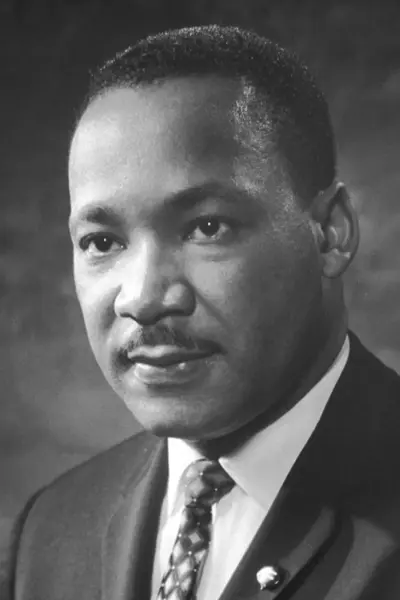
Martin Luther King Jr. was an African American Baptist minister and activist who became the most visible spokesperson and leader in the American civil rights movement from 1955 until his assassination in 1968. King advanced civil rights through nonviolence and civil disobedience, inspired by his Christian beliefs and the nonviolent activism of Mahatma Gandhi. He was the son of early civil rights activist Martin Luther King Sr.
