Alice Morse Earle Quotes
The first meeting-houses were often built in the valleys, in the meadow lands; for the dwelling-houses must be clustered around them, since the colonists were ordered by law to build their new homes within half a mile of the meeting-house.
Earle, Alice Morse. The Sabbath in Puritan New England. Charles Scribner's Sons, 1891, p. 2.


In American history Abortion has been legal for more time than it has been illegal. And most of the laws prohibiting it were unconstitutional. Even the Roman Catholic Church did not take the position that life begins at conception until 1869 so the notion, far from being a long standing tradition is just the opposite.

Muslims were in the majority and there was a sizable Jewish Community in Libya. Ironically, the objection to religious law having any jurisdiction has usually been that civil rights were denied. However, the same was true (in different ways) with Fascist law.

This was the decision that sanctioned anti-polygamy laws.

This was done and the practice accelerated widely during the 2nd World War when new building construction was limited by shortages. Some communities use school buildings for multiple purposes. The most frequent use nationwide however has been for polling places in elections.

At the time, the chief executive of these states were called Presidents because they presided over the legislature as well. This proclamation was issued before the Constitutional Convention in 1787 and the later ratification separating church and state. However, even after the Constitution was ratified some states continued to use state law to enforce the Christian Sabbath. That practice would continue in some places until the 2nd half of the 20th century.

Lopez had come from Portugal and had been living in Rhode Island for 9 years and was active in shipping, whaling and candle making. He, and another Jew, Issac Elizer, petitioned the Rhode Island Superior Court for naturalization and citizenship rights. The court turned them down and they appealed to the Rhode Island Assembly—then not only the legislature but the highest court in the colony. The assembly came up with a compromise. The Jews were allowed to continue to live and work in Rhode Island but they could not hold public office or vote. They told the Superior Court to reconsider the case however as Lopez and Elizer were model citizens—but for religion just the kind the colony wanted. This case and many others were known to the founding fathers who were determined to put a stop to the practice of conditioning voting and office holding rights on adhering to the particular sect of the majority of the colony. Lopez and Elizer then appealed again to the Superior Court.


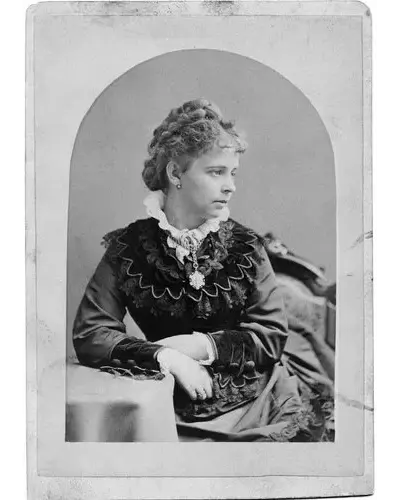
Alice Morse Earle was an American historian and author from Worcester, Massachusetts. She was christened Mary Alice by her parents Edwin Morse and Abby Mason Clary. On 15 April 1874, she married Henry Earle of New York City, changing her name from Mary Alice Morse to Alice Morse Earle. Her writings, beginning in 1890, focused on small sociological details rather than grand details, and thus are invaluable for modern social historians. She wrote a number of books on colonial America (and especially the New England region) such as Curious Punishments of Bygone Days.
