Maurice Maeterlinck Quotes
The decent moderation of today will be the least of human things tomorrow. At the time of the Spanish Inquisition, the opinion of good sense and of the good medium was certainly that people ought not to burn too large a number of heretics; extreme and unreasonable opinion obviously demanded that they should burn none at all.
Maurice Maeterlinck, 1862-1949, Belgian Nobel Laureate in Literature, Quoted on Wordsmith.org
Sourced by: Eigen's Political and Historical Quotations


While Christianity and other religious groups were the inventors of these particular devices of compulsion of conscience, in modern times, but almost all other groups have given up torture and execution as a means of compelling religious obedience, many Muslim nations, even in modern times use the machine gun or the headman’s sword or other barbaric means to punish heretics. At the beginning of the third millennium, Islamic theocracies such as Iran, commonly executed followers of the Bhai and other non-Islamic religions. Many historians feel that the Muslims learned from the Christians such barbarity, but maintained the practices long after the questions had abandoned them. In addition, Shiite and Sunni Muslims have been butchering each other for centuries in dominate Islam nations and trying to force their interpretation of Islam in each other. The practice still continues.


Since Muslims try and convert others, one who changes religion and becomes a Muslim is exempt. The death penalty is reserved for Muslims who leave the religion.

The King, a religious exremist fanatic, was a great supporter of the Inquisition whose excesses were horrible during his reign.


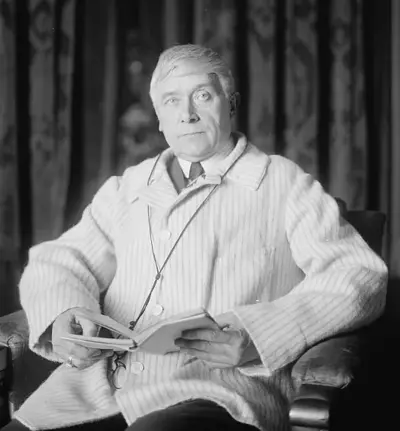
Maurice Polydore Marie Bernard Maeterlinck, also known as Count (or Comte) Maeterlinck from 1932, was a Belgian playwright, poet, and essayist who was Flemish but wrote in French. He was awarded the Nobel Prize in Literature in 1911 "in appreciation of his many-sided literary activities, and especially of his dramatic works, which are distinguished by a wealth of imagination and by a poetic fancy, which reveals, sometimes in the guise of a fairy tale, a deep inspiration, while in a mysterious way they appeal to the readers' own feelings and stimulate their imaginations". The main themes in his work are death and the meaning of life. He was a leading member of La Jeune Belgique group and his plays form an important part of the Symbolist movement.
