Robert G. Ingersoll Quotes
If a man really believes that God once upheld slavery; that he commanded soldiers to kill women and babes; that he believed in polygamy; that he persecuted for opinion's sake; that he will punish forever, and that he hates an unbeliever, the effect in my judgment will be bad. It always has been bad. This belief built the dungeons of the Inquisition. This belief made the Puritan murder the Quaker.
Ingersoll, Robert G. "Some Mistakes of Moses." The Works of Robert G. Ingersoll, Volume II. Dresden Publishing Co., 1900, p. 24.


Since Muslims try and convert others, one who changes religion and becomes a Muslim is exempt. The death penalty is reserved for Muslims who leave the religion.


In most countries those who identify with the economic views of Mises also tend to be strong supporters of orthodox religion—usually Christianity. American conservative Republicans are typical. However they rarely are aware of views and quotations of their intellectual guru that are evidenced by this quote. See {632408} for another quotation that distressed many European conservative devotees of Mises.

This quotation illustrates that the Muslim conquest and attempt to destroy and desecrate the symbols of other religions was not limited to Christianity—it was ALL other religions. In that sense, Christianity and Islam of the period were very similar at the time—intolerance to the point of murder and destruction of any “heathen” religion.


In September of 2006 Pope Benedict XVI, quoted this statement in a lecture to theological students. There was much distress and protest among Muslim leaders.


Servetus’ book On the Motion of the Heart and Blood of Animals, was so threatening that of the 1000 copies that were printed only 3 survived the burning including ironically Calvin’s personal marked up copy.
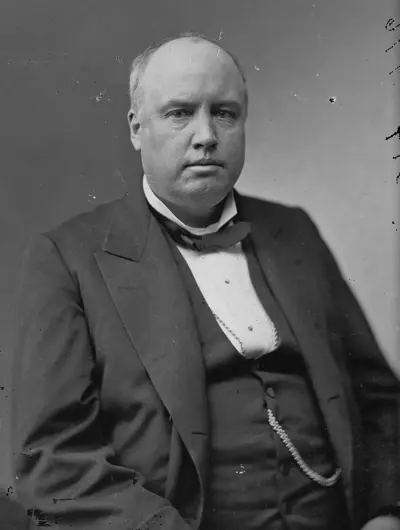
Robert Green "Bob" Ingersoll was an American lawyer, a Civil War veteran, political leader, and orator of the United States during the Golden Age of Free Thought, noted for his broad range of culture and his defense of agnosticism. He was nicknamed "The Great Agnostic". Ingersoll was considered to be the greatest orator and political thinker of his day, but his overt atheistic views curtailed his elected political career.
