Sam Harris Quotes
And while Protestant reformers broke with Rome on a variety of counts, their treatment of their fellow human beings was no less disgraceful. Public executions were more popular than ever: heretics were still reduced to ash, scholars were tortured and killed for impertinent displays of reason, and fornicators were murdered without a qualm.
Harris, Sam. Letter to a Christian Nation. Alfred A. Knopf, 2006, p. 11.

Both Puritans and Quakers were persecuted and physically abused in England by the Anglican Church. The Puritans as soon as they became dominant in part of the American colonies began persecuting Quakers. The Quakers who were the majority in the Pennsylvania colony, however were tolerant of other religions. This history was another of the many reasons the Founding Fathers wanted no established church. A “scorpion” was a type of whip that was particularly painful.


The King, a religious exremist fanatic, was a great supporter of the Inquisition whose excesses were horrible during his reign.

The implication of a double moral standard for adherents of the faith and for others has been characteristics of many religions.

Ingersoll was considered to be the greatest orator and political thinker of his day, but his overt atheistic views curtailed his elected political career.


This quotation illustrates that the Muslim conquest and attempt to destroy and desecrate the symbols of other religions was not limited to Christianity—it was ALL other religions. In that sense, Christianity and Islam of the period were very similar at the time—intolerance to the point of murder and destruction of any “heathen” religion.


Samuel Langhorne Clemens, 1835-1910

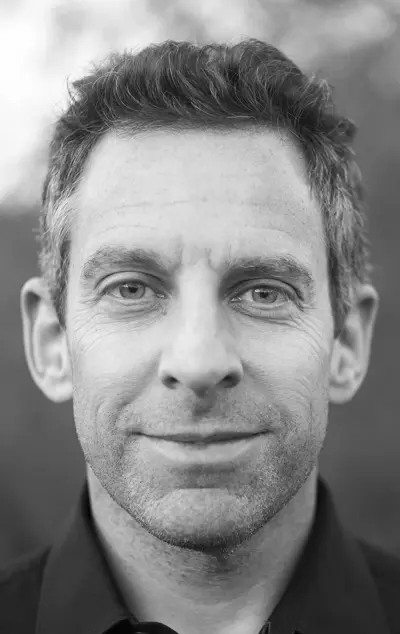
Samuel Benjamin Harris is an American author, philosopher, neuroscientist, and podcast host. His work touches on a wide range of topics, including rationality, religion, ethics, free will, neuroscience, meditation, psychedelics, philosophy of mind, politics, terrorism, and artificial intelligence. Harris came to prominence for his criticism of religion, and Islam in particular, and is described as one of the "Four Horsemen of the Non-Apocalypse", along with Richard Dawkins, Christopher Hitchens, and Daniel Dennett.
