Felix Frankfurter Quotes
The Constitution was made for an undefined and expanding future ... ... is not a fixed formula defined with finality at a particular time. It does not reflect, as a congealed summary, the social arrangements and beliefs of a particular epoch ... The effect of changes in men’s feelings for what is right and just is equally relevant in determining whether a discrimination denies the equal protection of the laws.
Felix Frankfurter, 1882-1965, U. S. Supreme Court Justice, Private Notes to the case of Brown v. Board of Education
Sourced by: Eigen's Political and Historical Quotations

From this quotation, {615902} and {615901} it is clear that the framers of the Constitution intended the treaty making powers to be shared by the President and the Senate. In practice, in modern times treaties are usually initially negotiated by diplomats under the supervision of the President and the Senate gets to concur or not in the ratification process. However, there have been a number of treaty failures including the League of Nations where the lack of coordination has resulted in a situation where the Senate had to accept or reject something which the President had negotiated and the Senate rejected the treaty.


This was the first named Civil Rights Act passed in the United States. It was passed over the veto of President Andrew Johnson, a Southerner, who tried to thwart Congress’s efforts at Reconstruction.


Referring to the Brown v. Board of Education, the Topeka, KS, Supreme Court school desegregation decision:


Patrick Henry, a political opponent of Madison's, spread rumors in Madison's Virginia home district that Madison was perfectly satisfied with the Constitution as it was drafted. Madison felt the need to set the record straight, and this letter was widely circulated by his friends.


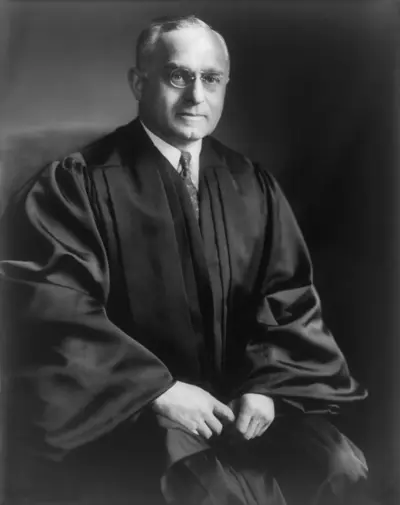
Felix Frankfurter was an American lawyer, professor, and jurist who served as an Associate Justice of the Supreme Court of the United States. Frankfurter served on the Supreme Court from 1939 to 1962 and was a noted advocate of judicial restraint in the judgments of the Court.
