Ambrose Bierce Quotes
PALMISTRY, n. The 947th method . . . of obtaining money by false pretences [by] "reading character" in the wrinkles [of] the hand. The pretence is not altogether false. . . for the wrinkles in every hand submitted plainly spell the word "dupe."
Bierce, Ambrose. The Devil's Dictionary. New York: Neale Publishing Company, 1911.


Here is another example of “the good old days” phenomenon. Similar complaints are made in most generations about most vices.


The Register was one of the most widely circulated journals of early America and Niles one of the most popular and influential journalists. Banks at the time could print their own paper money—unregulated by anyone. Often then did so knowing full well that if all the paper money they issued were presented for redemption they could not possible pay, as there was by the resolution of the bank directors not enough gold and silver to redeem all the money. Although few national leaders approved of the practice, it would have then been unthinkable and considered unconstitutional for the Federal government to interfere with a private bank’s right to print money or issue promissory notes regardless of the backing. See John Adams {615650} for a similar view.


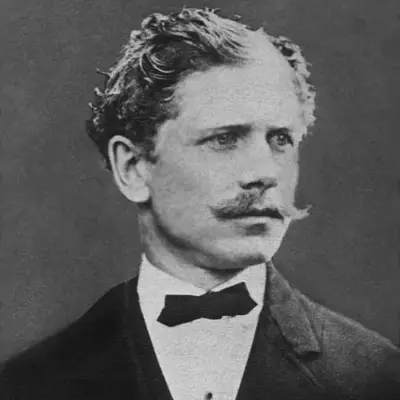
Ambrose Gwinnett Bierce was an American short story writer, journalist, poet, and Civil War veteran. His book The Devil's Dictionary was named as one of "The 100 Greatest Masterpieces of American Literature" by the American Revolution Bicentennial Administration. His story "An Occurrence at Owl Creek Bridge" has been described as "one of the most famous and frequently anthologized stories in American literature"; and his book Tales of Soldiers and Civilians (also published as In the Midst of Life) was named by the Grolier Club as one of the 100 most influential American books printed before 1900.
