Richmond Pearson Quotes
Our law requires no solemnity or form in regard to the marriage of slaves, and whether they ‘take up’ with each other, by the express permission of their owners, or from a mere impulse of nature…cannot, in contemplation of law, make any sort of difference.
Richmond Pearson, 1870-1937, North Carolina Chief Justice, Congressman, Quoted in Cott, Public Vows, 2000
Sourced by: Eigen's Political and Historical Quotations


This quotation illustrates the Catch 22 dilemma that faces a minority. Black slaves were not allowed to marry and have formal families. After the Civil War racists warned against Blacks who had no respect for marriage monogamy end civil family life. See {619099} But when the slaves were freed and the ex slaves attempted to formalize and solemnize their marriages, they were castigated for that – acting like white people.
Abolition was an issue from the first Congress onward. By the 1850s there was a major, and in the view of the Southern Slavery enthusiasts, incessant political, journalistic, and intellectual attacks on slavery. The latter two really affected public opinion and opposition to slavery grew in intellectual and educated circles. This document was an example of the literature of the time where the attack on slavery was made by simply explaining the “logic and facts” of the existing laws of the slave states. Once exposed in their entirety, the horror and immorality of the institution was supplemented by the intellectual absurdity and logical fallacies of the pro slavery forces. Note the swipe Goodell takes at Congress. This kind of public criticism made it harder and harder for the Northern Congressmen to “go along” with the South on the slavery issue, and the next decade of increased polarization on slavery culminated in the Civil War. It was not the Southern representatives who changed, but consciousness raising and public opinion changed the Northern perspective and the voting of the Northerners to oppose slavery. Earlier “compromises” became no longer morally or politically acceptable.

Billinghurst was physically handicapped without the use of her legs. She protested and marched in protest parades using a hand propelled tricycle which the police sometimes dumped her out of and left her immobile in alleys.


There was a national debate ongoing regarding whether two members of the same sex might marry. The Constitutions of several states prohibited discrimination against anyone including gays so that the courts in some cases were called upon to rule on the constitutionality of prohibitions against gay marriage. While nationally, the majority of the people were then opposed to gay marriage, in some states (including Kansas), the majority was vehemently opposed. The American Constitutional system and tradition, almost uniquely protects the rights of minorities from the “tyranny of the majority.” When the Supreme Court ruled that schools must be racially integrated, the majority of the country might have preferred a certain degree of racial discrimination. Brownback on this issue called for the will of the majority to prevail over the minority rights of teh Constitution, but on a woman’s right to abortion which was favored by the majority of Americans, he opposed the tyranny of the majority. The issue politically almost always comes down to "whose ox is gored." A decade later, with a generational shift, the vast majority of Americans suported same sex marriage and the majority of the states legalized and Browbak then claimed the right of the minority (States like Kansas) to not be forced the recognize the marriages that the will of the majority had allowed.


This is the earliest surviving attempt of the Romans to formulate a legal code.


The law at that time gave a married woman almost no rights. The husband legally controlled the family assets regardless of who had earned or provided them. He aslo had absolute control of the upbringing of the children. Women could not vote and in many states were considered property of the husband.


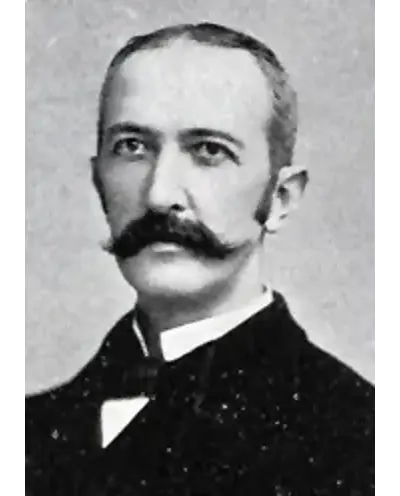
Richmond Mumford Pearson, Jr. was an American diplomat and member of the U.S. House of Representatives from North Carolina.
