Benjamin Robbins Curtis Quotes
A marriage, valid by the law of the place where it was contracted, and not in fraud of the law of any other place, is valid everywhere; and that no technical domicile at the place of the contract is necessary to make it so
Benjamin Curtis, 1809-1874, U. S. Supreme Court Justice, Dissent, Dred Scott
Sourced by: Eigen's Political and Historical Quotations


The law at that time gave a married woman almost no rights. The husband legally controlled the family assets regardless of who had earned or provided them. He aslo had absolute control of the upbringing of the children. Women could not vote and in many states were considered property of the husband.


In a sense, Ebla had the first “shotgun weddings”. But it shows the value to this ancient society to having a family unit for the raising of children.


This quotation illustrates the brilliance of Scalia. He was in the minority of the Justices when he opposed gay marriage. However, instead of just writing a caustic dissent—which he did—he posed this question to one of the most brilliant attorneys in the country who was arguing the case for gay marriage. Clearly, gay marriage was not considered unconstitutional when the Founding Fathers wrote the Constitution. It is almost certain that no one in those times even considered such a prospect. However, by 2013 a number of states had allowed gay marriage, and the majority of Americans favored it. The best Olsen could answer was “There us no specific data in time. This is an evolutionary cycle”. Despite his oratory tour de force, Scalia was again in the minority and his view did not prevail. Public opinion had clearly changed, and most judges believed that the interpretation of the Constitution most also change and there is no more a specific time to say exactly when that change took place than there is to say exactly when America concluded that the nation should have Prohibition or any other social norm.

In English law, the second a woman married, she ceased to exist and an entity independent from her husband who had total control in the family. This doctrine was carried over to American law. See {629246}.

His view was that since gay marriage did not affect anyone else but the gay couple, it should not be illegal. This is an early Thomas Jefferson idea (see {604940} ) where Jefferson argues that since it does not effect him or anyone else if a person worships 20 gods or none, he and society has no business legislating against it. Those on the opposite side argued that if someone was an atheist or a pagan, it damaged the culture as a whole and offended their sense of morality. Therefore there must be a state religion. In modern times we are debating the same principle only gay marriage is the subject. Should the majority moral view control all or only those things that directly and negatively affect other people and not their moral sensibilities.


The decision was unanimous. Virginia’s racist slave era tradition used the power of the state to forbid interracial marriage for the purpose of maintaining white supremacy. Most of the Southern, formerly slave, states had such laws. The most absurd aspect of the anti miscegenation laws was that all whites and Blacks—and other so caltcled “races” all emanated from the same African human female who was Black.


At the time the law in the United States gave a husband control of all property of the wife including any money she might earn. In this sense the English Christian legal tradition was far less fair and modern than even Islam which guaranteed some property and inheritance rights to women.

The church advised this to its members
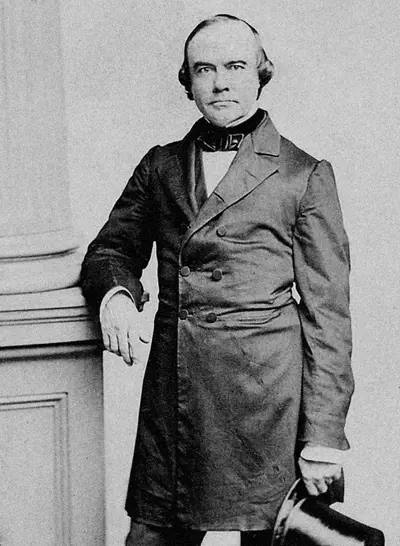
Benjamin Robbins Curtis was an American attorney and United States Supreme Court Justice. Curtis was the first and only Whig justice of the Supreme Court. He was also the first Supreme Court justice to have a formal legal degree and is the only justice to have resigned from the court over a matter of principle. He successfully acted as chief counsel for the Impeachment of U.S. President Andrew Johnson during the first presidential impeachment trial and is notable as one of the two dissenters in the Dred Scott decision.
