Ed Schultz Quotes
Not to get too grandiose about it, but I really believe I'm saying things a lot of Americans want someone to say.
Schultz, Ed. Straight Talk from the Heartland: Tough Talk, Common Sense, and Hope from a Former Conservative. HarperCollins, 2004.


Some Senators stated that in good conscience they could not vote to curtail freedom of speech or expression. See Edmund Burke {194922} for one of the great statements on the legislator’s obligation.

Then running for reelection as a state legislator.

The two were cousins. Wilhelm was a very dominant personality and his cousin quite weak. This quotation shows the tyrannical view of the German Kaiser. The letters were secret but after the execution of the Czar, the Russians released the letters to show the dominant and warlike history of Germany under the Kaiser who was furious that the Russians had made such personal and secret letters public. The speech to which the Kaiser referred was one in which the Czar rejected all efforts to reform and limit his power—only driving more Russians to the revolutionary side. See the Czar’s quotation: {614054}
The switch was critical in that Tennessee ratified the 19th Amendment by a majority of a single vote. Had Burn not followed his mother’s advice, women would not then have gained the right to vote.


Wayland, felt slavery was immoral and against the world of God. But he sought a middle-of-the-road position to keep his religion from schism and his University Trustees from conflict. The Baptist Churches of America were split asunder by the slavery issue. Wayland, who represented both the Northern abolitionist-leaning Baptist Churches and the Southern pro slavery churches, tried to forge a middle ground whereby slavery would end by the moral enlightenment of man and his love for fellow man as opposed to by legislation or economic pressure. He successfully predicted the outcome of the conflict except for one error he made. The conflict DID end slavery. The Baptist Church finally split into southern and northern wings in 1845. To this day, the Southern Church is extremely conservative, and fundamentalist; the Northern, very liberal and modern.


At the time the power and prestige of Congress relative to the Presidency , was much greater than it is today. It was McKinley’s successor, Theodore Roosevelt, who began a 20th century trend which led to a reversal of the relationship between the Executive Branch and the Legislative.


The president had not only sunk I the polls, but for the first time only a minority then thought that he was trustworthy. The Congress was even lower in public esteem. The approval for the Congressional Republicans was down to only 9 percent—the lowest since the poll had been taken.


There are many who do not agree with Hayden’s thesis that there was a national consensus about the degree of compromise with Constitutional rights. It is the case that the 3 Presidents maintained a continuity, but there was no great outcry of public opinion for roundups and arrests of Muslims after 9-11. The government never at the time revealed the data on what they were doing. When that became public, it was clear that there was no consensus as was the case with torture. The military authorities who interned American Citizens of Japanese Origin argued that there was little public opposition but many citizens did not even know it was happening, and the ones who did, for the most part, thought that it was only the suspected saboteurs and spies who were interned, not American citizens who were suspected of nothing; not little children; not 90 year old men and women. When the facts were known Americans did form a national consensus—that it was one of the worst practices in which the United States ever engaged.


Explaining his opposition to civil rights legislation:

At the time few believed he would not slow down or kill all civil rights legislation as he had done throughout his career. But this is one example of a politician telling the truth on the campaign trail with few believing him. He certainly vindicated his early civil rights record once he became president.


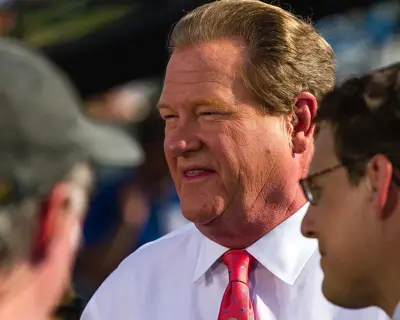
Edward Andrew Schultz was an American television and radio host, a political commentator, news anchor and a sports broadcaster.
