Samuel Freeman Miller Quotes
No branch of the law is of more importance to the counsellor, the statesman, or the citizen, than a thorough acquaintance with the Constitution and laws of the Federal Government, as they are administered and as they affect the rights of the people.
Miller, Samuel Freeman. Lectures on the Constitution of the United States. Banks & Brothers, 1891.


The choice is usually contrasted between guilty persons going free, rather an innocent one be adjudicated guilty. But here the justice tells us that the avoidance of an innocent person being subject to easy arrest is important enough to have a system where guilty people sometimes escape justice.

This is the opinion that established the supremacy of the Supreme Court over state courts in Constitutional matters. There was an alternative view then that states were sovereign entities and their courts decisions could not be reviewed or overridden by the Federal courts. This case settled that issue,


Federal officials and commissioners issued laws, directives and orders that were very unpopular with the Mormons who were in the overwhelming majority of the Utah territory. The Mormon “government” was a type of theocracy but a very popular one. The Mormons tried to test the constitutionality and legality of the Federal laws and orders before they would obey. The government position was that they should obey and then could test the laws in the courts. The Mormons eventually lost in the courts anyway, but the principle of obedience to law until it can be tested and reversed has generally been the rule of U. S. Law. However, civil disobedience in which many religions have engaged in our history argues the obverse. Eventually Taylor had to go “underground” and rule the church from exile in which state he died.


President John Adams Alien and Sedition Acts were amongst the worst laws ever passed in America. It totally violated the First Amendment but at the time the Supreme Court had not ruled on the laws which prohibited criticizing the government. Ironically, it was Adams’s son, John Quincy Adams who finally led the repeal effort.

Explaining his civil rights strategy in the 1947 "Journey of Reconciliation:"

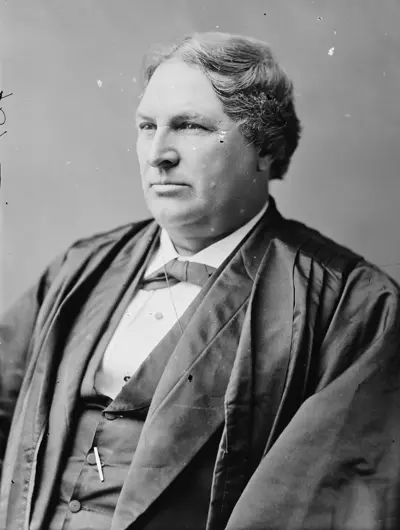
Samuel Freeman Miller was an associate justice of the United States Supreme Court who served from 1862 to 1890. He was a physician and lawyer.
