John Leland Quotes
Ministers should share the same protection of the law that other men do, and no more. To proscribe [prohibit] them from seats of legislation, etc., is cruel. To indulge them with an exemption from taxes and bearing arms is a tempting emolument [benefit]. The law should be silent about them; protect them as citizens, not as sacred officers, for the civil law knows no sacred religious officers.
Pen name: Jack Nipps
John Leland, 1754-1841, Baptist Minister and Author, The Writings of John Leland
Sourced by: Eigen's Political and Historical Quotations

At the beginning of our nation, before there was a Constitution, the state of Virginia prohibited clergy from serving in the state legislature.


This is one of the earliest expressions of the first regarding freedom of religion. Note that there was concern about the possible government negative effects on religion as well as the other way around. The Continental Congress was very disparate & often inconsistent. Four months after this passed, the Continental Congress voted to have & pay Christian Protestant Chaplains for the army despite a critical shortage of funds. Further they ordered Washington to require the troops to attend Christian religious services which the General did. After this statement, many Protestant clergy objected. Congress actually depended on the clergy to communicate with the public & prepared many open letters which the asked the clergy to read from the pulpit—especially ones recruiting troops. With the Revolution going badly, the Congress & Washington did not want a dispute with the clergy many of whom were already being pressured against the revolution by their religious superiors in England.


There was freedom of religion for Protestants in early New Jersey. Note that Catholics and Jews were not allowed to hold office. This constitution was in force until 1844 when the prohibition was repealed by new constitution. Under the original constitution, men were convicted for blasphemy. See {621063} .

What was to become the 14th Amendment was being discussed. Several of the most radical Republicans drafted language that would allow Congress to make any law regarding life, liberty or property, so that they could be sure that the States would not make their laws in a discriminatory manner. However, Hotchkiss and the majority wanted to be sure the laws were not discriminatory but they didn’t want Congress to have the power to make any law regarding life, liberty and property for every state. The current version of the 14th Amendment just prohibited discrimination in laws, not empowering the Federal Government to override the state governments in most important areas.


In the 1940’s equality and Civil Rights was a good wedge issue for Republicans because the most racist members of Congress were Democrats even though there were many Democrats who advocated strong civil rights. In 1964, there was a party realignment after the Congress passed the Civil Rights Act. After that the most racist members of Congress and the political established switched to the Republican Party and this caused the Republicans to publicly soft pedal civil rights issues. It now became a wedge issue for the democrats, and very few national Republican figures would make such a statement as it would be misinterpreted by the racial right wing of the party.


It is surprising that these ideas would come from one of the most autocratic powerful monarch in the world at the time. However there were many very liberal influences on her from Europe. This set of proposals she even sent to Voltaire to get his feedback and criticism.

Commenting on allowing gays to serve in the military:

A conservative Calvinist weekly periodical. At the time the term “Turk” referred to all Muslims as the Turkish Ottoman Empire controlled most Muslim countries.
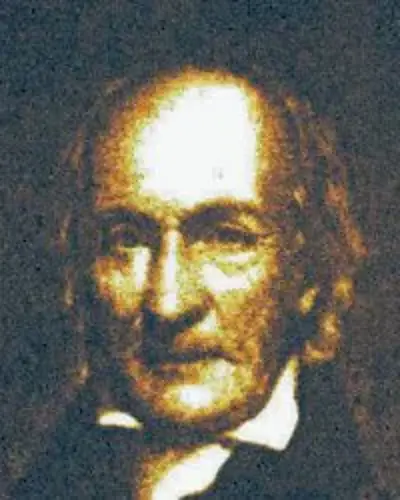
John Leland was an American Baptist minister who preached in Massachusetts and Virginia, as well as an outspoken abolitionist. He was an important figure in the struggle for religious liberty in the United States. Leland also later opposed the rise of missionary societies among Baptists.
