John Marshall Harlan Quotes
Our constitution is color-blind, and neither knows nor tolerates classes among citizens.
Plessy v. Ferguson. 163 U.S. 537. Supreme Court of the United States. 1896. United States Reports, vol. 163, Banks & Brothers, 1896, p. 559.


Commenting on allowing gays to serve in the military:


While this was a type of “Equal Rights Amendment”, It emphasized dignity rather than operations. For example, adultery was made a crime if committed by a woman (not for a man), And women could be dismissed from a job, simply because they were pregnant. And unusual aspect of this quotation is the fact that it applies to equality of dignity of Social status. In America we have this as an unwritten concept of fairness and egalitarianism, but it is not followed very much and certainly not guaranteed by our Constitution.

He was reacting to the racial claims of Adolph Hitler in German


The power structure of England and the English administrators of South Africa were strong advocates of racial equality at the beginning of the 19th century. They insisted on equal administration of law. However the Boer white population could think of nothing more absurd. In a sense the Boers were much like the Southern Whites at the same time. The South African government however could not enforce its equality policies in the rural area – the majority of South Africa at the time. When democracy and self rule came to South Africa, the racially moderating force of the English was minimized and the majority of South Africans wanted a racially segregated society. Apartheid resulted.

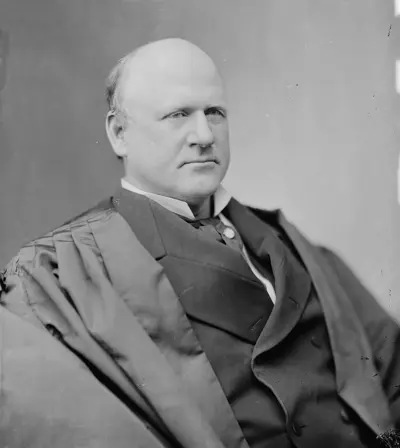
John Marshall Harlan was an American lawyer and politician who served as an associate justice on the U.S. Supreme Court. He is often called "The Great Dissenter" due to his many dissents in cases that restricted civil liberties, including the Civil Rights Cases and Plessy v. Ferguson. Many of Harlan's views expressed in his notable dissents would become the official view of the Supreme Court starting from the 1950s Warren Court and onward. His grandson John Marshall Harlan II was also a Supreme Court justice.
