Mary Heaton Vorse Quotes
It was their orderly mass picketing and parading that swung the strike into public notice. No strike of this size ever had such parades. No strike of this size had ever had such picket lines. They sweep out the three strike halls two by two. They stream down the streets gathering volume as they go until there are thousands of people in the parade. As they go they sing and shout. Flags go with them. Women and children, young girls, old ladies, grandmothers, all shouting and singing together. Who will ever forget them who has seen them out on the picket line early in the morning in dark groups that look like swarming bees? The lines of pickets, the constant file of people was an exciting thing. It became contagious. Picketing became Passaic's favorite game. Children played at picketing. They picketed their schools. They picketed their homes. Children came out after school to go on the picket line.
Description of a labor strike in Passaic, NJ in 1926.
Mary Heaton Vorse, 1874-1966, Journalist, War Correspondent & Feminist, The Battle of Passaic, New Masses, May, 1926
Sourced by: Eigen's Political and Historical Quotations

25,000 mill workers went on strike in one of the largest strikes in America at the time.


Muste raised money for the strikers and was soon made the executive secretary of the strike committee for 25,000 strikers. A. J. placed himself at the head of the picket line and was beat to exhaustion by the police and arrested. Several weeks into the strike, the police tried to provoke violence by lining up machine guns and having a labor spy urge the strikers to overcome them.


The second statement was made after he had been arrested and was in jail.


The unions that broke off were very successful at increasing union membership and made large efforts at organizing. The others were losing members for the most part and devoted most of their resources to politics to protect what they had.


This was a description of the famous Lawrence, MA, textile mill strike.


In 1919 the Boston police force went on strike. Coolidge, then governor, called up the National Guard and broke the strike refusing to let the strikers back on the force.
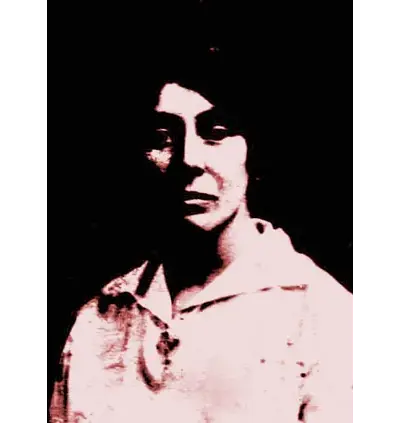
Mary Heaton Vorse O'Brien was an American journalist, labor activist, social critic, and novelist. She was outspoken and active in peace and social justice causes, such as women's suffrage, civil rights, pacifism (such as opposition to World War I), socialism, child labor, infant mortality, labor disputes, and affordable housing.
