John L. Lewis Quotes
Increased interest and participation by labor in the affairs of government should make for economic and political stability in the future. Labor has a constitutional and statutory right to participate.
Lewis, John L. "Labor and the Nation." Vital Speeches of the Day, vol. 3, no. 23, 15 Sept. 1937, p. 732.


Spinoza’s ideas were considered so radical and dangerous that he was the only man in history who was excommunicated by the Catholics, the Jews and the Muslims. This quotation, in the 17th century outraged almost every cleric. This is one of the strongest and unequivocal statements about the desirability of separation of church and state. Interestingly, as early as this statement was, Spinoza believed that harm extended to both religion and government.


The “abrupt departure” referred to the Tories. The phraseology is today almost comical were it not so serious a matter. This first New Hampshire Constitution was a very short one developed quickly out of necessity.

Played the President in the NBC Network West Wing

Religious organizations may become grantees or contractors to perform various social services—along with other non-profit organizations provided, that they do not comingle the government contract money with the general church funds, that the services that are provided are provided to all regardless of religious beliefs, and that there is no religious ceremony or indoctrination in the provision of services. Catholic Charities and the Salvation Army are two of the larger religious organizations that receive government funds for general service provision. Those religions who do not want Federal Auditors reviewing their use of the money or who insist that prayer is a necessary aspect of the social services are the ones who have trouble and accuse the government of being hostile to religious social services.


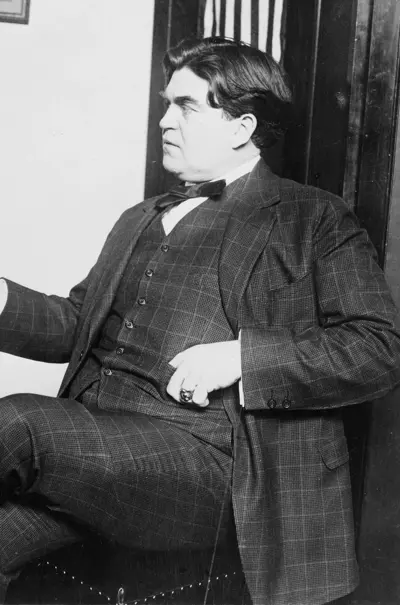
John Llewellyn Lewis was an American leader of organized labor who served as president of the United Mine Workers of America (UMW) from 1920 to 1960. A major player in the history of coal mining, he was the driving force behind the founding of the Congress of Industrial Organizations (CIO), which established the United Steel Workers of America and helped organize millions of other industrial workers in the 1930s, during the Great Depression. After resigning as head of the CIO in 1941, Lewis took the United Mine Workers out of the CIO in 1942 and in 1944 took the union into the American Federation of Labor (AFL).
