Sue Monk Kidd Quotes
In the early 1800s, religion was often used as a way to keep slavery in place. Slaves were forced to attend the church of their owners, listen to selective dogma that kept them obedient and subservient.
Kidd, Sue Monk. "A Conversation with Sue Monk Kidd." The Invention of Wings, Viking, 2014.


The Roman Catholic Church in America had a very difficult problem with slavery. Catholics were themselves a minoirty, hated and distrusted by many Protestants. In most of the country, the distrusr was based on their large immigrant population, but in the South Catholic theology was hated and the Vatican and Pope were particular targets. The Catholic Clergy generally did not want to take sides in the most contentious issue in America since its inception. The Southern Catholic Clergy did not have that option as in the South, anyone who was not a supporter of slavery was an "enemy of the community and subject to all kinds of violence." Some Southern priests were willing to take the personal risk but did not want to put their followers at risk. In a strange consequence, Catholics--especially Irish Catholics--fought on both sides of the Civil War and often against each other. While it was not an exemplary moral behavior for the Church, there were difficult pressures on Catholic leaders. Further, most of the lowest and most difficult, undesirable jobs were filled by Catholics and most Catholic laymen so and end to slavery as the start of pitting the Catholics against the Blacks. So there was not a groundswell for abolition in most Catholic parishes even in the North.


The Catholic Papacy was very ambivalent regarding the morality of slavery. Callistus, in effect authorized the morality of enslaving “infidels.” In the past this was a reaction to the Muslim ethic of banning slavery of Muslims but allowing it for “infidels.” This bull has been used to defend slavery ever since despite the fact that there are several other (before and after) Papal pronouncements condemning slavery. See {617550} , {617880} , {617632}


Spinoza was one of the most feared intellectuals in human history—feared that is by the established power structures. He is the only known person who was excommunicated by the Catholics, the Jews and the Muslims—all were forbidden to read his works. He was the enemy of authority and advocated personal reason as the guide for men.


This passage was one of those used by Christian apologists for slavery. Critics of some Christian churches point to this passage as illustrating the lack of morality in traditional Christianity when it same to fundamentals such as human slavery. In this particular quotation, the slave master is likened to Christ. Ironically, it was Christian abolitionists in England and the United States who saw other passages of the New Testament and the Gospel of Christ as disapproving of slavery and those Christians where among the most effective of the abolitionists.


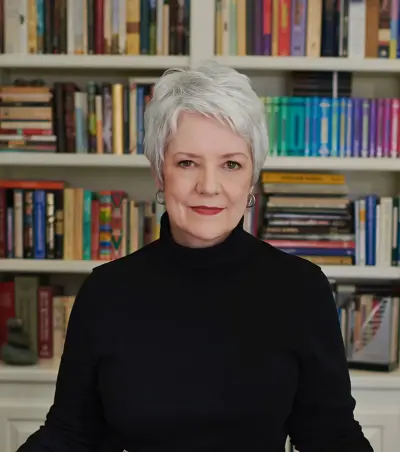
Sue Monk Kidd is a writer from Sylvester, Georgia, USA, best known for her novels The Secret Life of Bees and The Invention of Wings.
