Book of Ephesians Quotes
Slaves, obey your masters with fear and trembling, in singleness of heart, as you obey Christ.
This passage was one of those used by Christian apologists for slavery. Critics of some Christian churches point to this passage as illustrating the lack of morality in traditional Christianity when it same to fundamentals such as human slavery. In this particular quotation, the slave master is likened to Christ. Ironically, it was Christian abolitionists in England and the United States who saw other passages of the New Testament and the Gospel of Christ as disapproving of slavery and those Christians where among the most effective of the abolitionists.
New Testament, Ephesians 6:5
Sourced by: Eigen's Political and Historical Quotations


Note that even in the marriage ceremony where the couple pledges fealty to each other, the intrusion of this pledge of loyalty and obedience to the Master.


This testimony turned out to be a tactical error. The main purpose of Tojo was to protect Emperor Hirohito from responsibility for the war. See {587277}. But by admitting that he never disobeyed even the Emperor’s wishes, he made it clear that he had implemented the Emperor’s desired policies. Therefore, Hirohito must have been responsible. After this testimony there was some delay and he changed his testimony claiming that once he disobeyed the Emperor when he took the nation to war. Few believed this second version, but it was sufficient to keep Hirohito from being charged—which despite many calls for his trial, General MacArthur also did not want the Emperor brought to account as the institution was making the occupation of Japan very easy.


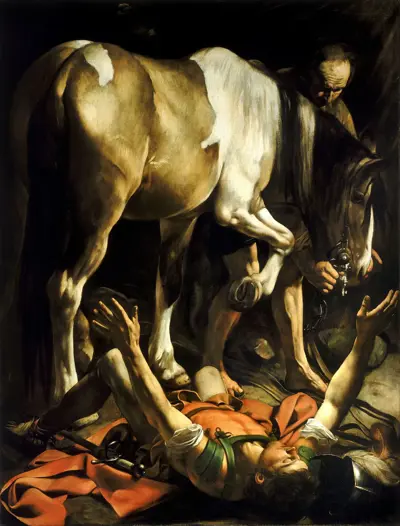
The Epistle to the Ephesians, also called the Letter to the Ephesians and often shortened to Ephesians, is the tenth book of the New Testament. Its authorship has traditionally been attributed to Paul the Apostle but starting in 1792, this has been challenged as Deutero-Pauline, that is, written in Paul's name by a later author strongly influenced by Paul's thought, probably "by a loyal disciple to sum up Paul’s teaching and to apply it to a new situation fifteen to twenty-five years after the Apostle’s death".:47
