Jimmy Carter Quotes
I'm concerned about the negative aspect of political campaigning in american nation, which is a new phenomenon. When I ran for president against Gerald Ford and later against Ronald Reagan we never referred to each other except as 'my distinguished opponent'. And had we criticised personally our opponent it would have been political suicide, we would have been castigated and condemned for it.
Carter, Jimmy. Interview. The Guardian, 2012.


In 1934 writer Upton Sinclair won the California Democratic gubernatorial nomination. The Republicans spent three times the funds that they had committed against Roosevelt in the 1932 presidential election to defeat Sinclair. In particular, they used the first "media consultants" in American political campaigns to comb through all of Sinclair's novels finding dialogue of the villains which were then ascribed to Sinclair in a series of cartoons distributed throughout the state:


He was the only candidate who was not visciously attacked and slandered by the others, and he did no attacking himself. However, he simply did not attract the voters as did the other candidates who were so negative about their opponents. The Republican party primary voters were so insistent on political party purity that most of the candidates were reduced to the lowest forms of debate and standards of veracity. All the candidates were weakened and diminished by that form of negative primary process. Mitt Romney finally won the nomination but had been bruised badly by the Republican primary election. He last the general election badly.
His older brother was running for Consul—the highest elected office of the Roman Empire. The Handbook, was his advice to his brother as to how to conduct his campaign.


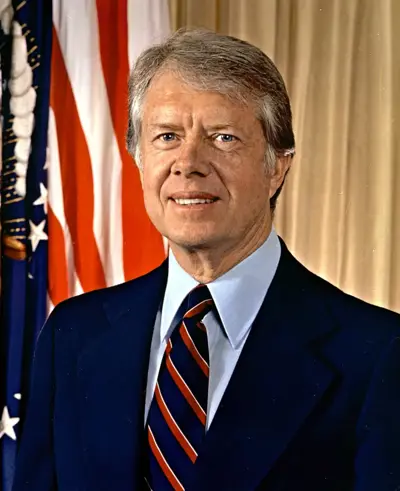
James Earl Carter Jr. is an American politician, businessman, and philanthropist who served as the 39th president of the United States from 1977 to 1981. A member of the Democratic Party, he previously served as a Georgia State Senator from 1963 to 1967 and as the 76th governor of Georgia from 1971 to 1975. Since leaving the presidency, Carter has remained engaged in political and social projects as a private citizen. In 2002, he was awarded the Nobel Peace Prize for his work in co-founding the Carter Center.
