Ted Cruz Quotes
What we saw with both Donald Trump and Marco Rubio, that their response, whenever you point to anything in their record, is just to yell, "Liar, liar, liar," and to get very personal and to make direct character attacks. And my approach, from the very beginning of this President's campaign, starting a year ago in 2015, is that I will not respond in kind. I do not intend to insult any of the candidates.
Cruz, Ted. "CNN Republican Town Hall." CNN, 17 Feb. 2016.


At the time political parties and some candidates had their own newspapers and attacked their opponents through those rather than directly themselves which would have been seen as gross and undignified, Slander and attacks have been a part of American politics since its inception. The degree and extent reached its pinnacle in the early 21st century.

There have been few modern politicians who would be so firm against negative campaigning by members of his own party. In reality, although Roosevelt was very popular amongst the people, he was never a favorite of the party politicians. For example, see {585078}.


Some Democrats had been making personal attacks on Herbert Hoover, Baruch a Democratic supporter was outraged and put a stop to much of it. His letter to Hoover is the high water mark in the ethics and methods of Presidential campaigning. 80 years later, there was a Republican Presidential Nomination contest in which there was almost no content other than personal attacks on the other candidates interspersed with personal attacks on the incumbent President. It was one of the low points of Presidential campaigning.


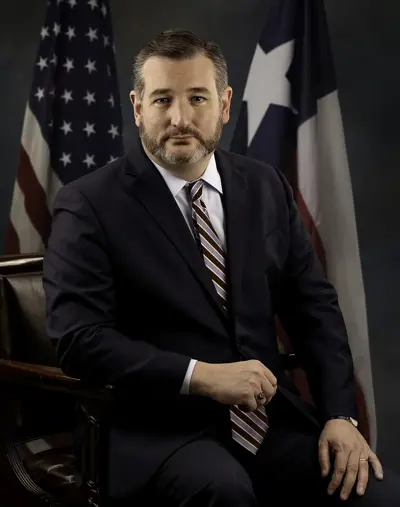
Rafael Edward Cruz is an American politician and attorney serving as the junior United States Senator for Texas since 2013. A member of the Republican Party, Cruz served as Solicitor General of Texas from 2003 to 2008.
