John F. Kennedy Quotes
If there's more than one person—including yourself—in a room, consider anything said to be on the record and a probable headline in the morning paper.
John F. Kennedy, 1917-1963, 35th President of the United States (Democrat, MA), Quoted in Time, February 6, 1989
Sourced by: Eigen's Political and Historical Quotations


The leaks not only did not stop, but they became worse than ever.


At the time Jay was engaged in secret counterintelligence operations in upstate New York and some material had been leaked by members of the Congress.


The Secretary of State had obtained an agreement of Israel and the Palestinians to open Peace Talks. The press immediately wanted to know who was saying what to whom and what positions the parties had. However, this was a classic example where transparency would make successful negotiations impossible—it would end the negotiations before the parties could even discuss possible alternatives.


The George W. Bush White House which had tried to keep secret things that no other administration in history had attempted found itself in the position where it was leaking secret classified information. A Key staff member of the administration was indicted for covering up their leaking activities of secret material.


In the modern media age, there is intense pressure on peace negotiators to reveal progress, problems, reactions, suggestions that are made by the parties to the peace talks. Rumors and premature public knowledge of the details of peace talks often can undermine and sometimes destroy and progress that was being made.

Privacy was a much more important value then and for Smith and most contemporaries there should be NO compromising records kept at all. Keeping records secret was itself an unacceptable compromise.


Referring to appearances of impropriety with reference to the Lincoln Savings & Loan scandal:


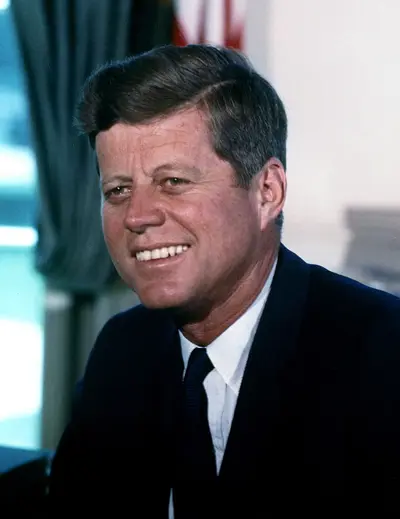
John Fitzgerald Kennedy, often referred to by his initials JFK, was an American politician who served as the 35th president of the United States from 1961 until his assassination in 1963. Kennedy served at the height of the Cold War, and the majority of his work as president concerned relations with the Soviet Union and Cuba. A Democrat, Kennedy represented Massachusetts in both houses of the U.S. Congress prior to becoming president.
