David E. Sanger Quotes
The most secretive White House in modern history has learned the hard way …that it must reveal a pretty steady stream of secrets.
The George W. Bush White House which had tried to keep secret things that no other administration in history had attempted found itself in the position where it was leaking secret classified information. A Key staff member of the administration was indicted for covering up their leaking activities of secret material.
David E. Sanger, Journalist, “Will Leak Case Force Redefinition of What's Really Secret?” New York Times, October 24, 2005
Sourced by: Eigen's Political and Historical Quotations


He was criticizing the George W. Bush Administration of his own party.

The executive order to which this statement referred was the then new President’s first—Executive Order 13489. It was enthusiastically received by the public, historians, researchers and the media. However at the end of Obama’s two administrations, the system was a little better than when George W. Bush, blocked much of the Freedom of Information Act from being implemented. However, the agencies who want to operate in secrecy without having to deal with public criticism, had developed even more sophisticated techniques of avoiding transparency and when they must disclose, they have developed techniques to delay the process, sometimes even for years, while they study whether the material should be disclosed. The president personally declassified a few CIA files from decades ago that the agency maintained should be secret, but he did nothing else systemic so solve the problem of declassifying and material and nothing to control the over classification which virtually everyone agrees is a major problem. More material is being classified than ever.


See Louis D. Brandeis for an earlier phraseology.


Defending his action in prosecuting a newspaper editor and three others for publishing a 'secret' government economic report:
_0_PostageStamp_47x47.jpg "Chairman of the Joint Chiefs of Staff Navy Adm. Mike Mullen gives an interview to John Dickerson during the CBS news program Face the Nation in Washington, D.C., July 5, 2009. During the interview, Mullen discussed the wars in Iraq and Afghanistan, North Korea's recent missile tests and his recent visit to Russia. (DoD photo by Mass Communication Specialist 1st Class Chad J. McNeeley, U.S. Navy/Released)")


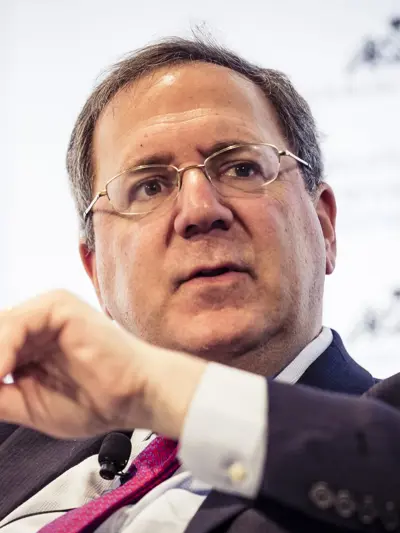
David E. Sanger is the chief Washington correspondent for The New York Times. A 1982 graduate of Harvard College, Sanger has been writing for the Times for 30 years covering foreign policy, globalization, nuclear proliferation, and the presidency.
